Tekron & Trekre - Industrial valves
qiang@tekron.com.cn +86 510 88232303
Jiangsu Tekron

Industrial Valve Manufacturer

Enquiry

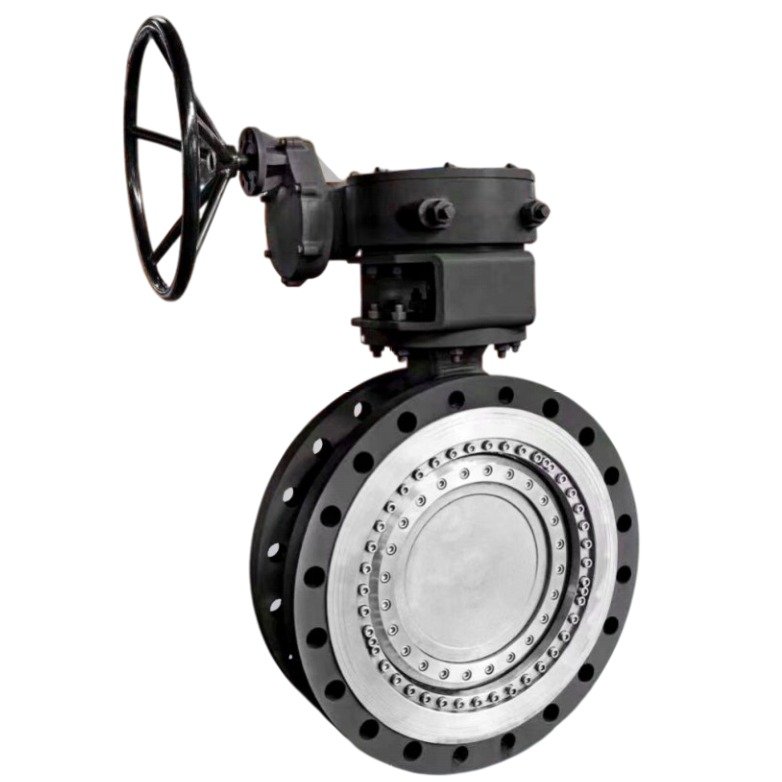
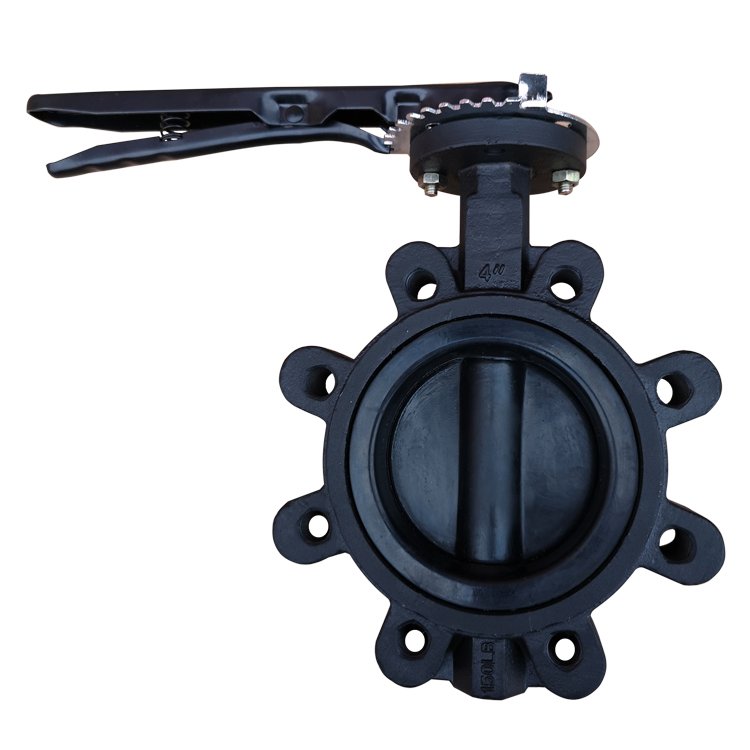
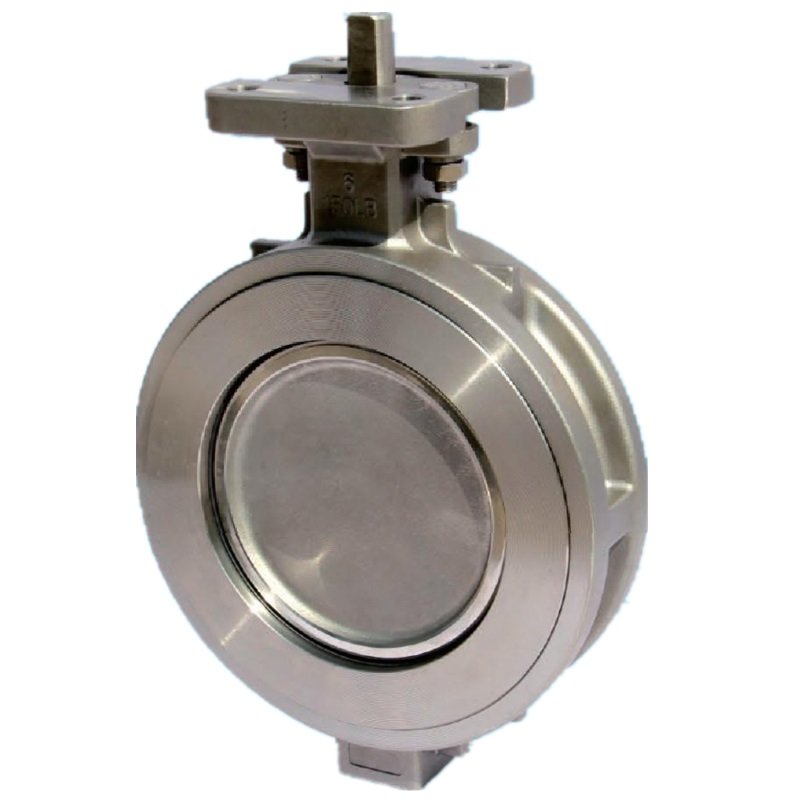
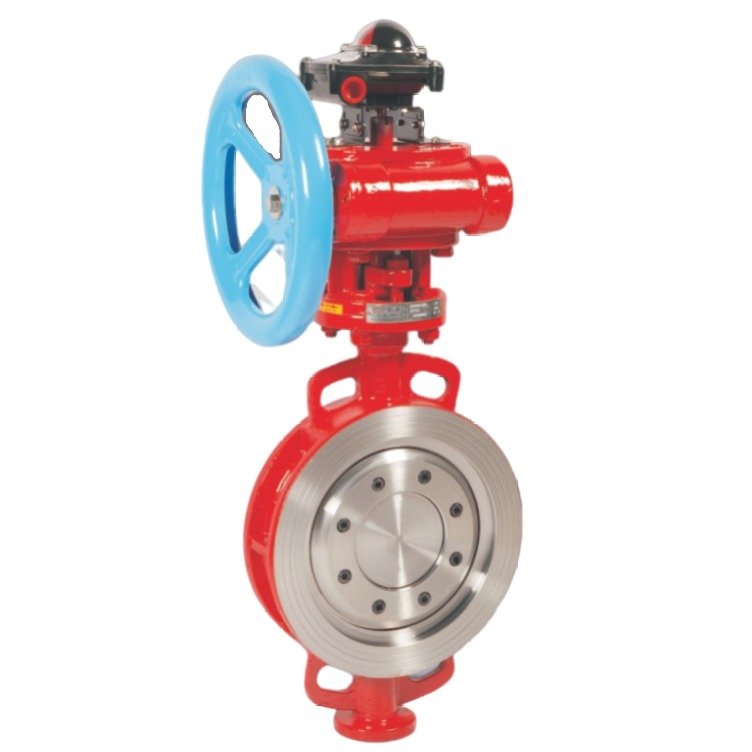
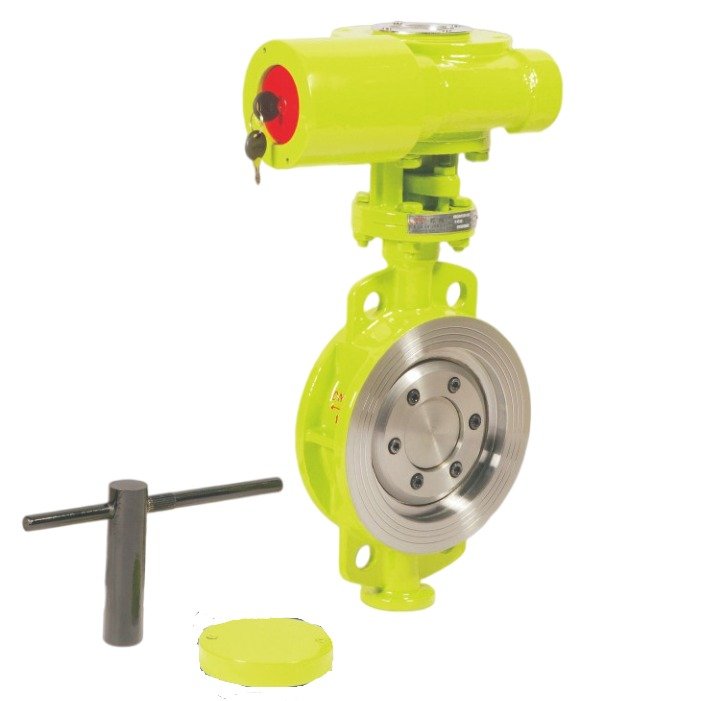
High performance light rod convex ear butterfly valve with double eccentricity

High performance light rod convex ear butterfly valve with double eccentricity

Product parameters

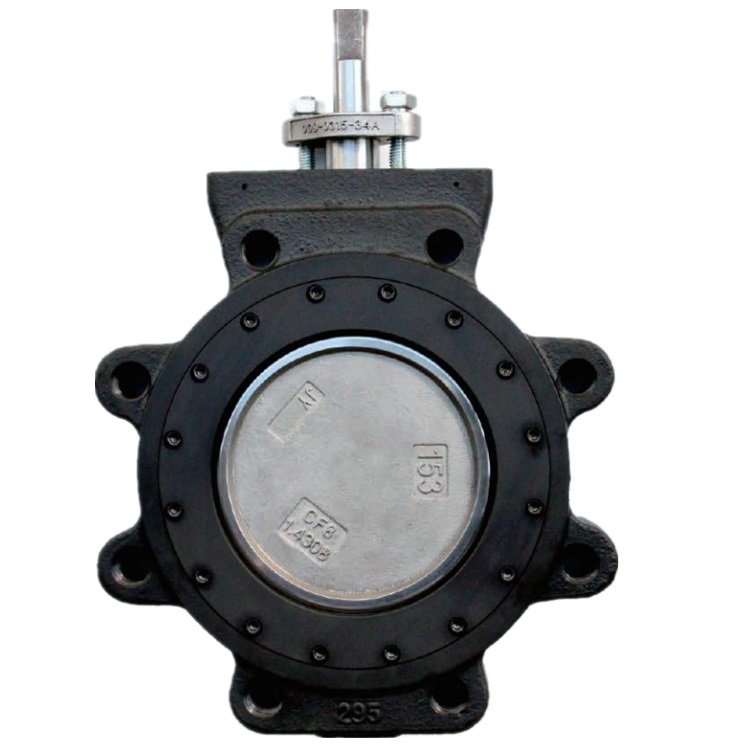
The main materials of high-performance light rod lug butterfly valve with double eccentricity are stainless steel and carbon steel. The upper flange adopts ISO 5211 standard and can be matched with handle, worm gear, pneumatic, electric and other operating devices.
高性能光杆凸耳蝶阀 双偏心(图1)

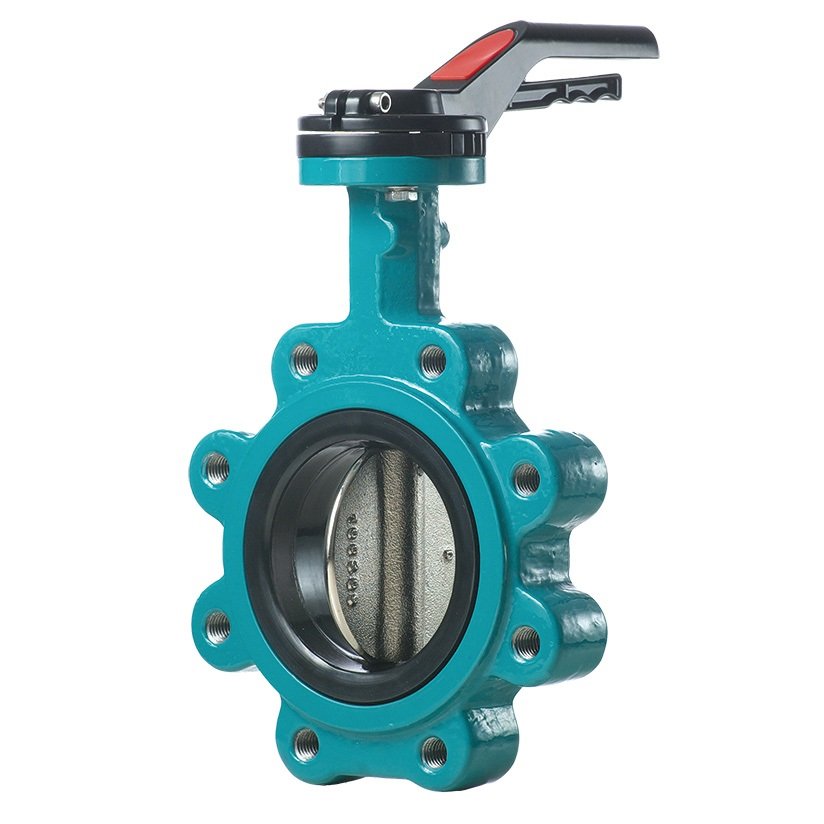
Also known as convex ear double eccentric butterfly valve

Type: Lug type Pressure rating: Class 150, Class 300/PN10, PN25/JIS 10K, JIS20K Size: 2 "-60" Material: Carbon steel or stainless steel

Series selection and configuration options

Standard series size2″–60″
Pressure designationClass150 / Class300 / PN10 / PN25 / JIS10K / JIS20K
Body material optionsCarbon steel / stainless steel options
ConnectionLUG
Drive configurationBare-shaft body; handle, worm gear, pneumatic or electric drive selected separately

Standard series ranges and custom manufacture are separate. Smaller or larger sizes, special materials and tooling can be evaluated on request; design and quotation must be agreed. Not every size, material, seat and rating combination is interchangeable.

Tekron & Trekre

Butterfly Valve FAQs

01 Which butterfly valve seat design should be used?
Common designs include resilient seats and metal seats. Resilient-seated valves are generally used for water, air and low-leakage services at moderate temperatures. Metal-seated valves are selected for higher temperature, pressure or erosive industrial media. The final choice depends on the medium, temperature, pressure and required leakage class.
02 How do wafer, flanged and lug butterfly valves differ?
Wafer valves are compact and require little installation space. Flanged valves provide a stable pipeline connection for larger sizes or higher pipe loads. Lug valves can facilitate one-sided removal and maintenance. Selection depends on the piping standard, space, size and maintenance method.
03 Should a butterfly valve use pneumatic, electric or manual actuation?
Manual or gearbox operation suits local isolation. Pneumatic actuators provide fast response for frequent operation and hazardous areas. Electric actuators support remote control and modulation. The actuator must be sized for valve size, differential pressure, torque and control signal.
04 Which operating data are required for butterfly valve selection?
Provide the medium, design temperature, design pressure, nominal size, connection standard, body and seat materials, leakage class, flow direction, operating frequency, actuation method and any enclosure or explosion-protection requirements.

Discuss your valve configuration and quotation

Complete the details you know; leave unknown operating conditions blank. Name, email and enquiry are required. Phone is optional.

Add operating and connection requirements (optional)

Include units. PN and ASME Class are separate designations, not a fixed conversion.

Email drawings, nameplate photos or technical files with the product link. This form does not accept attachments. [email protected]