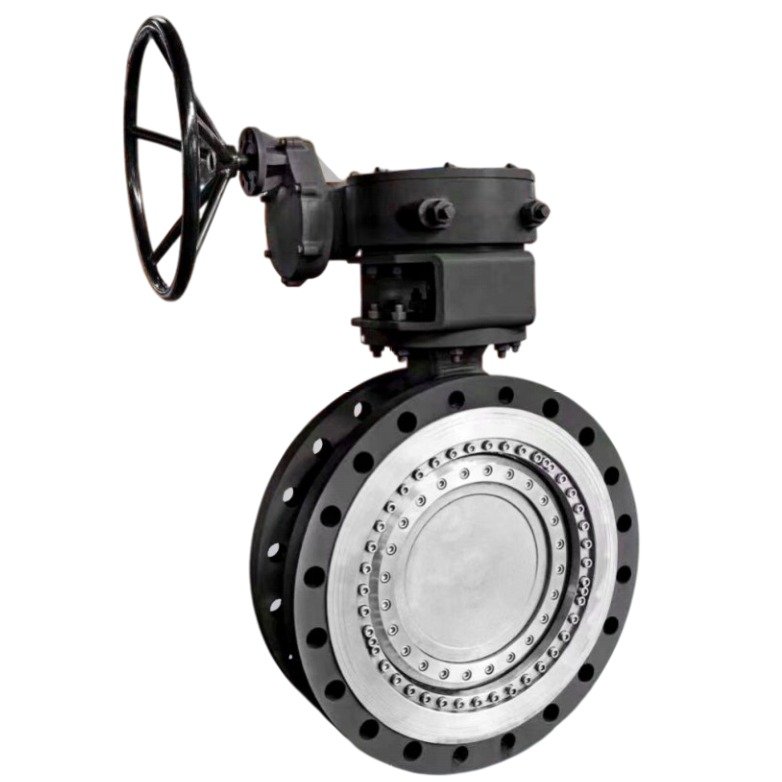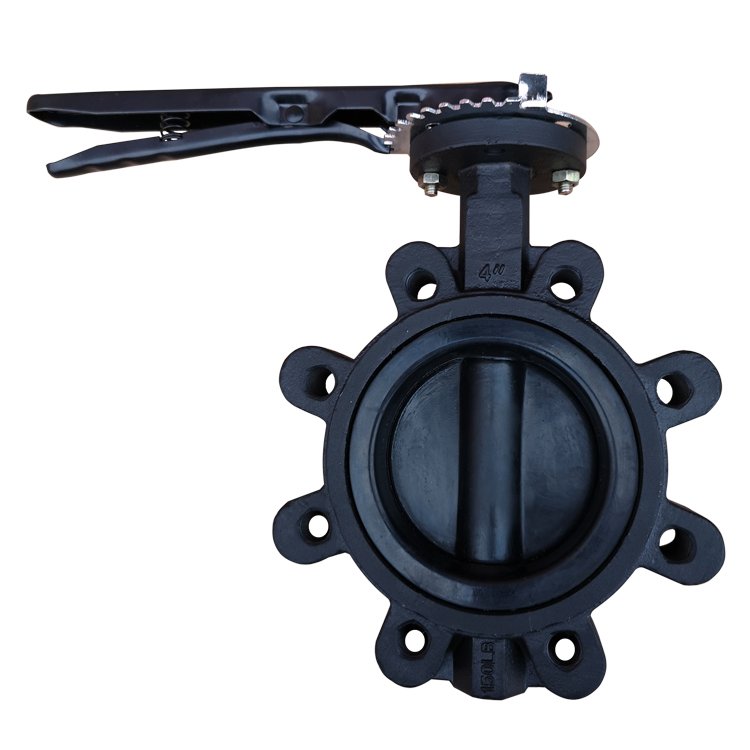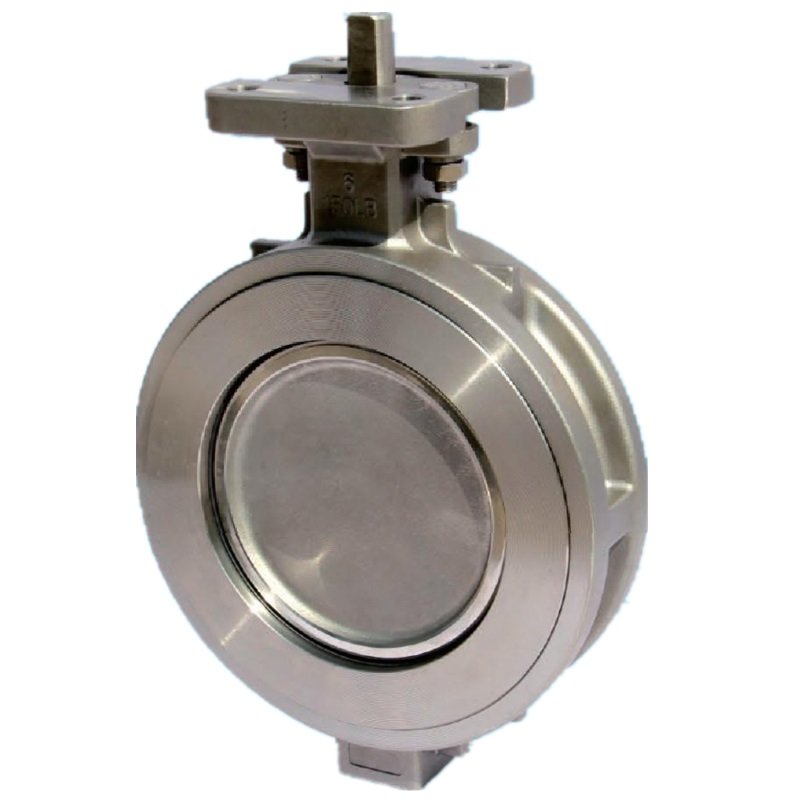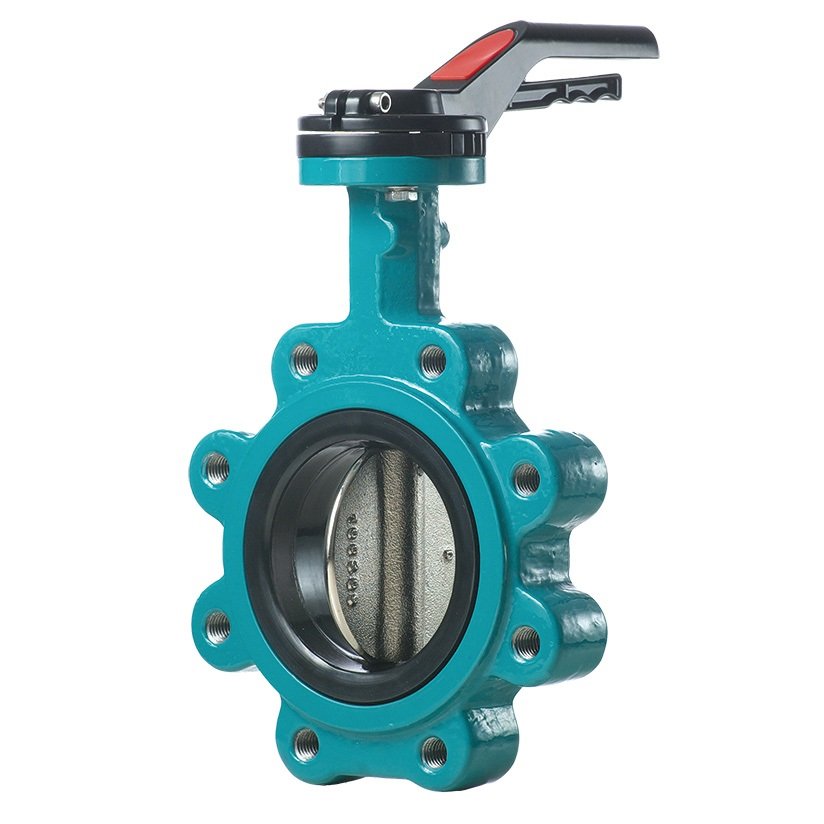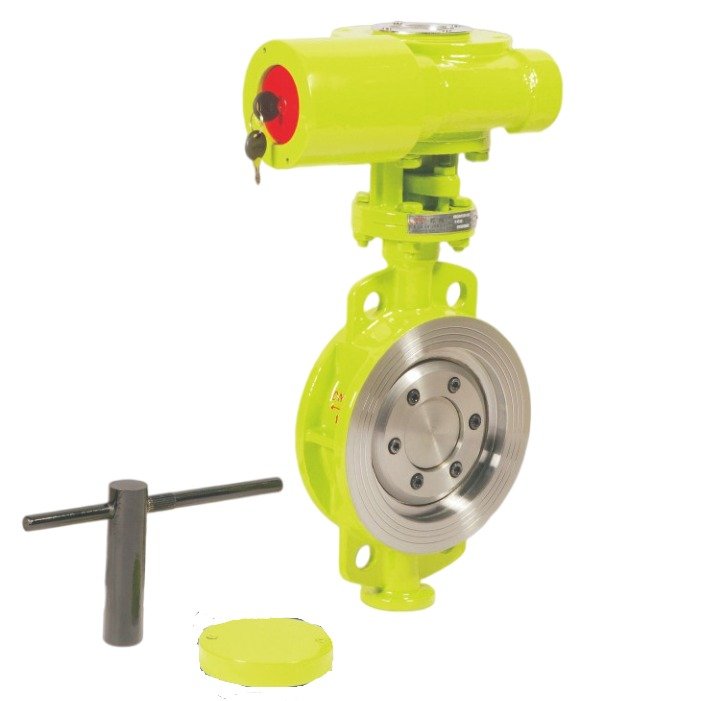
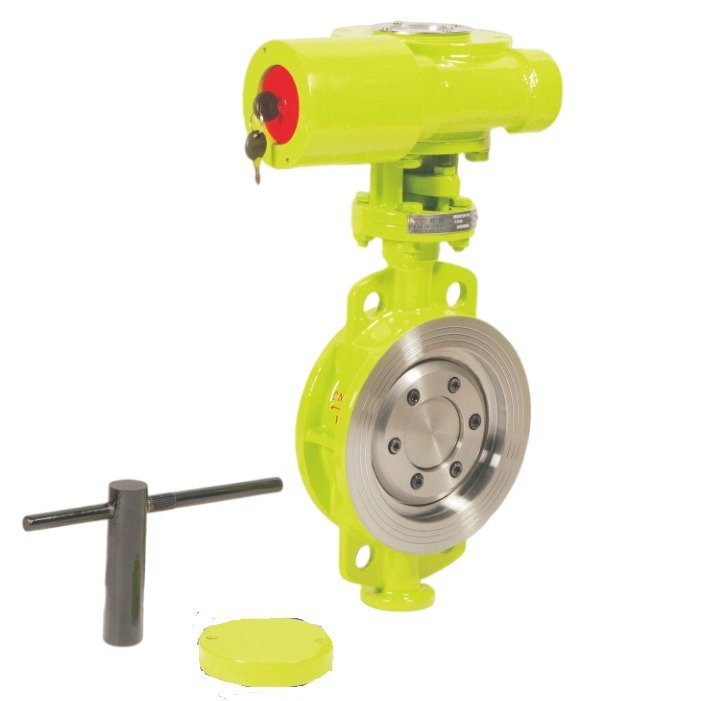
This butterfly valve uses a key-operated locking arrangement and worm-gear operation to restrict unauthorized changes to the valve position.
Separate access control from sealing performance
The lock controls access to operation; the seat and disc provide process sealing. A lock is not evidence of a leakage class, explosion-protection certification or a tamper-proof guarantee.
Define which valve position must be controlled
State the normal operating position and which movements must be restricted. Confirm available locking positions, key arrangements and emergency procedures against the actual supplied mechanism, rather than assuming every lock works in the same way.
Plan key access and maintenance
Check gearbox orientation, the space needed to insert and turn the key, position identification and the maintenance route. Before maintenance, isolate and make the system safe according to site procedures; a key lock does not replace process isolation.
Send the operating and piping requirements
Provide the medium, temperature, pressure, differential pressure, size and connecting standard, together with the number of valves and key-control requirements. Existing catalogue material or size options are not a guarantee for every configuration.
Buyer questions
Do I need a key before operating this butterfly valve?
The published operating arrangement uses a key mechanism before worm-gear operation. Confirm the exact sequence and available locking positions in the instructions for the supplied valve.
Does locking the valve mean the pipeline cannot leak?
No. Locking and sealing serve different purposes. State the required sealing and test conditions separately from the key-locking requirement.
Can several valves use one common key?
For a common-key arrangement, specify the number of valves, access-control plan and spare-key requirements when requesting the lock configuration.
Prepare a quotation for this valve
Specify access-control requirements separately from the valve sealing and pressure requirements.
- Locking requirement
State normal valve position, which positions or movements must be restricted, who may operate the valve and any site emergency-access procedure.
- Key plan
Provide valve quantity, any requested common-key or individually keyed arrangement, spare-key quantity and key-identification needs. Availability must be confirmed; no keying system is promised here.
- Service and interface
Provide fluid, working temperature and pressure, maximum differential pressure, size, flange/facing details and replacement dimensions.
- Access and acceptance
Check gearbox direction, key insertion space and position visibility. Agree how locking function and sealing performance will be checked separately; a key lock does not replace maintenance isolation.
Documents to agree before supply
- Drawing identifying operator orientation and confirmed lockable positions
- Agreed key schedule and operating instructions
- Material schedule and separate lock-function and valve-test acceptance requirements
Ask which documents are available for the offered configuration and agree their scope before supply. A catalogue picture is not a certified drawing or test report.
Download a buyer enquiry checklist
Download this valve enquiry checklist (TXT). This is a fill-in purchasing worksheet, not a technical datasheet. Unknown values can be left blank.
Send an enquiry for this valve · butterfly valve replacement checklist · Engineering selection and technical Q&A