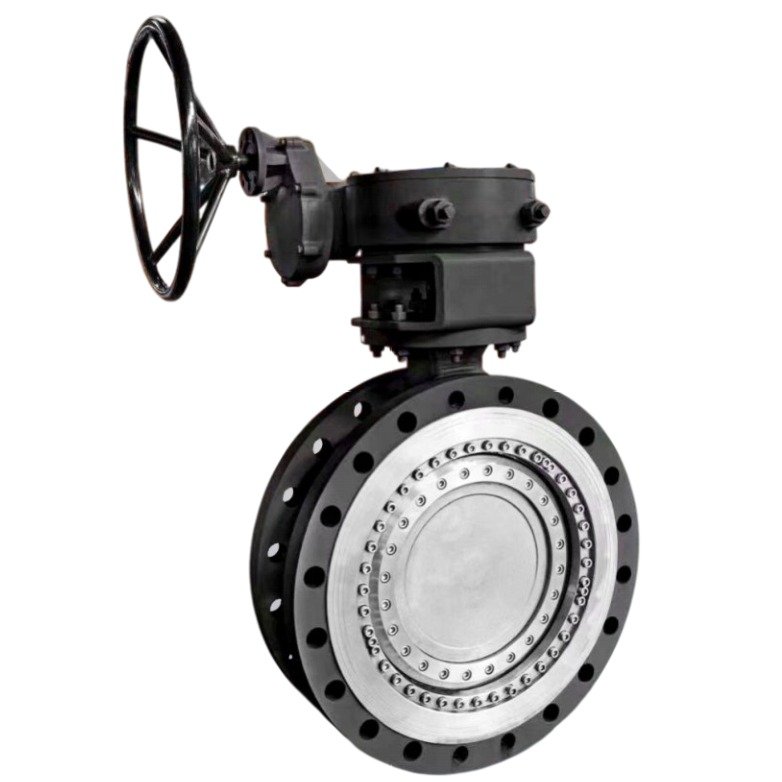
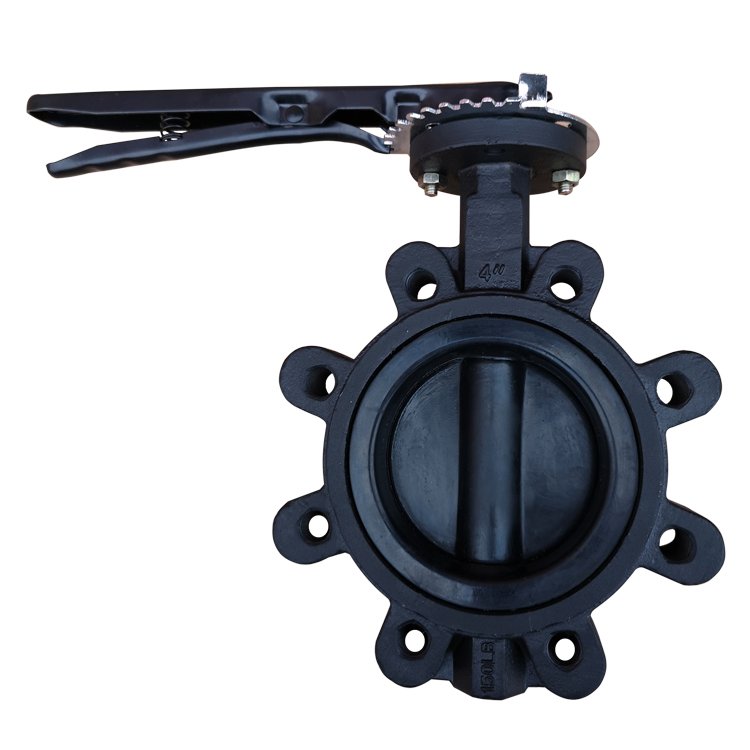
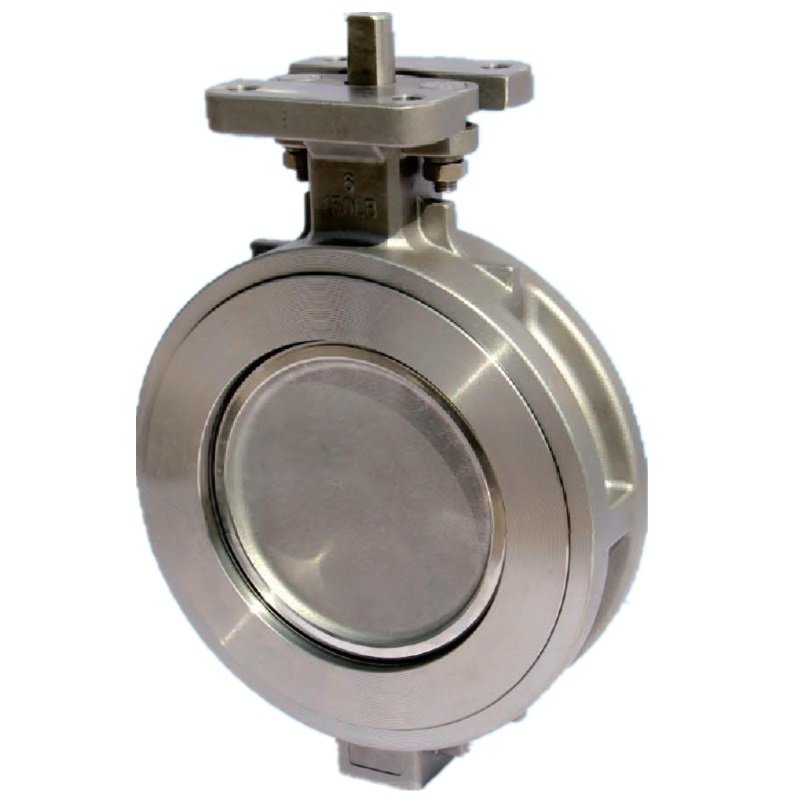
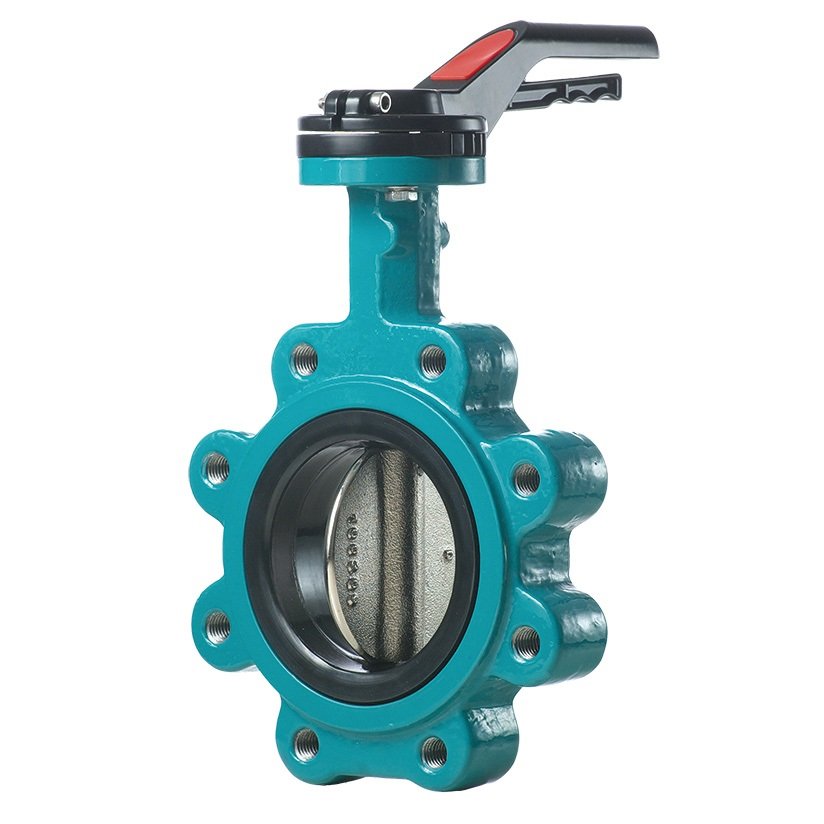
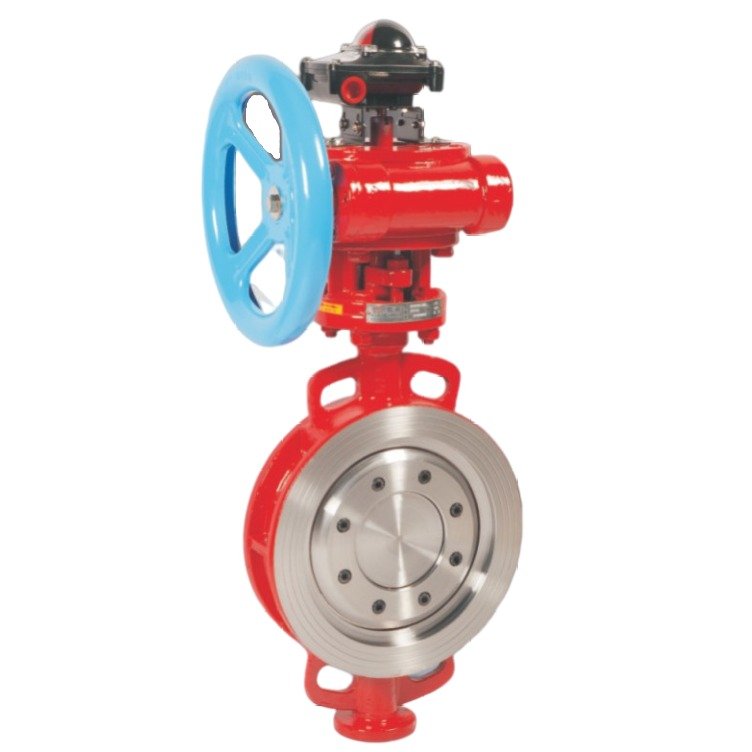
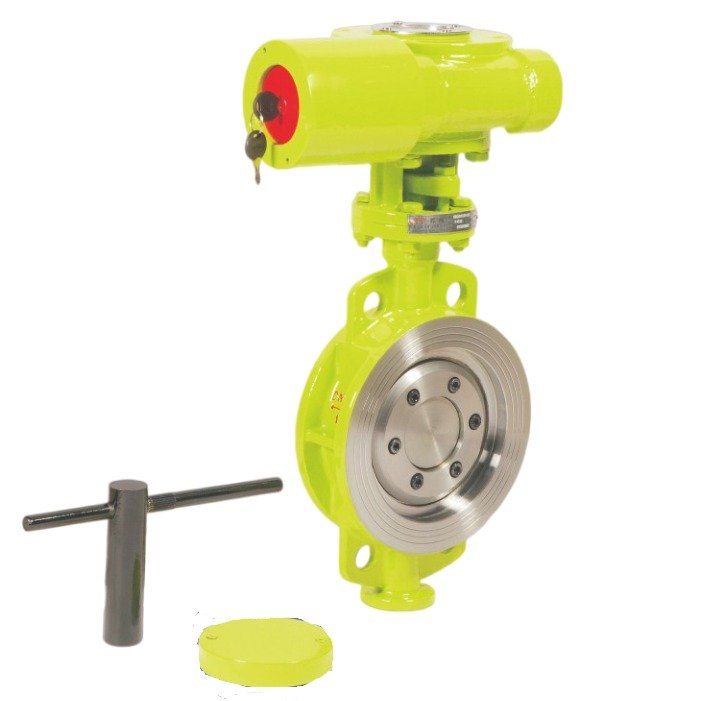
German standard metal hard seal flange butterfly valve - three eccentric PN25/PN16 metal seal butterfly valve DIN EN 593. The main structural features of the German standard series butterfly valve are clamp type and flange type, using a three eccentric sealing form. The valve seat sealing ring adopts a multi-layer sealing structure that is compatible with both soft and hard, ensuring reliable sealing performance. It ensures that the butterfly plate does not contact the sealing seat when opened, eliminating uneven load on the sealing seat, extending service life, and ensuring reliable sealing performance. It has the following advantages: high temperature resistance, wear resistance, and corrosion resistance. German standard butterfly valves are widely used in petroleum, chemical and industrial environmental water treatment, high-rise buildings, water supply and drainage pipelines.
German standard metal hard seal flange butterfly valve - triple eccentric
Valve category
Contact Us
qiang@tekron.com.cn +86 510 88232303 108 Meiyu Road, Xinwu District, Wuxi City, ChinaGerman standard metal hard seal flange butterfly valve - triple eccentric
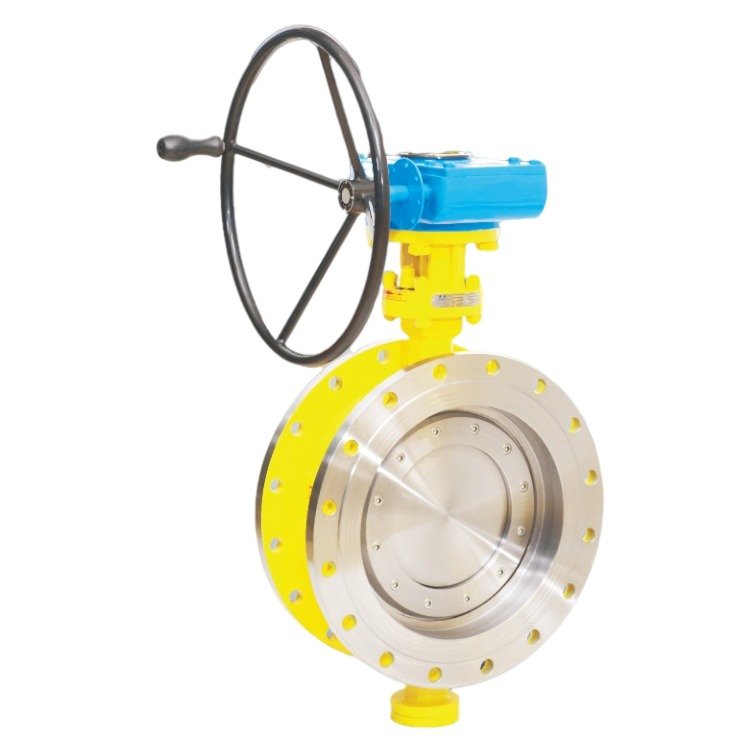
This product belongs to our butterfly valve range. For sizing, pressure rating, material and actuator selection, see our valve technical resources.