Define the circuit before selecting the valve
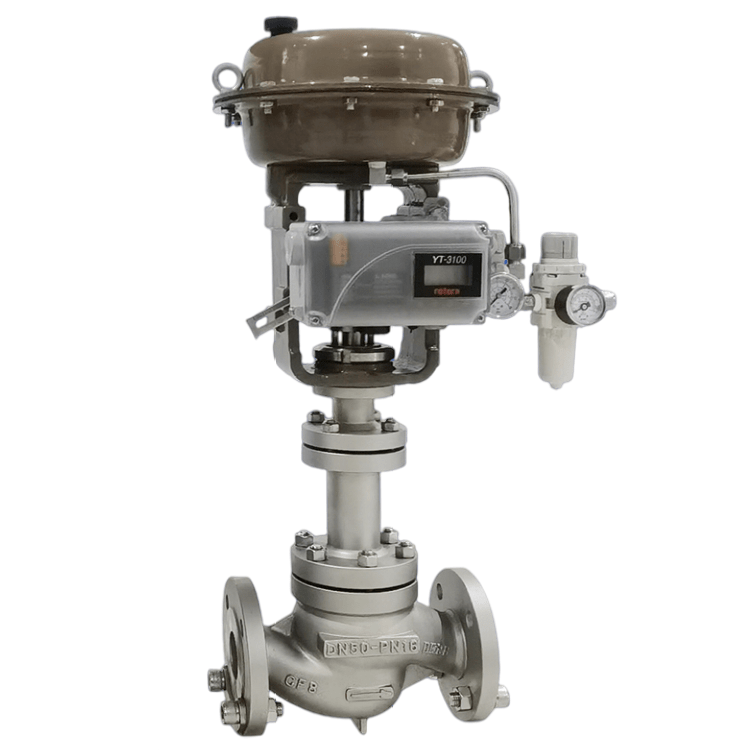
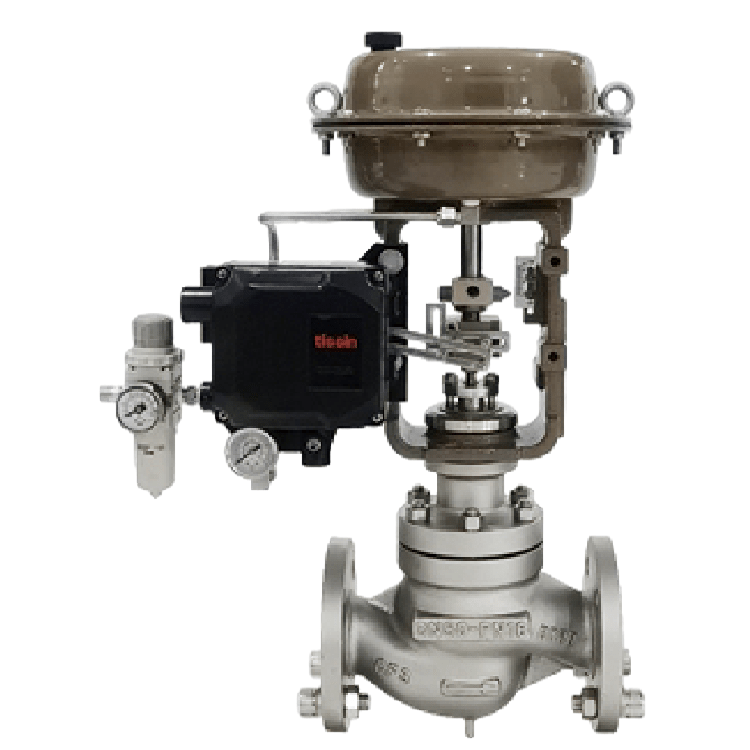
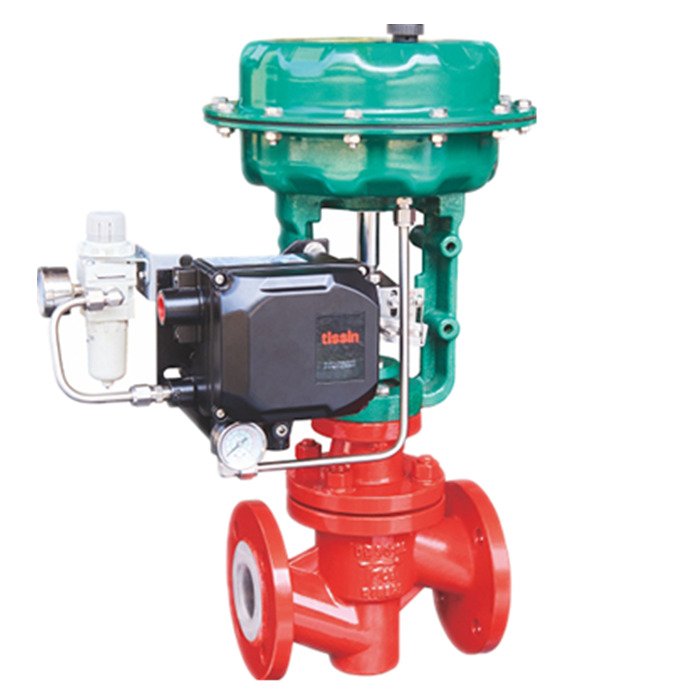
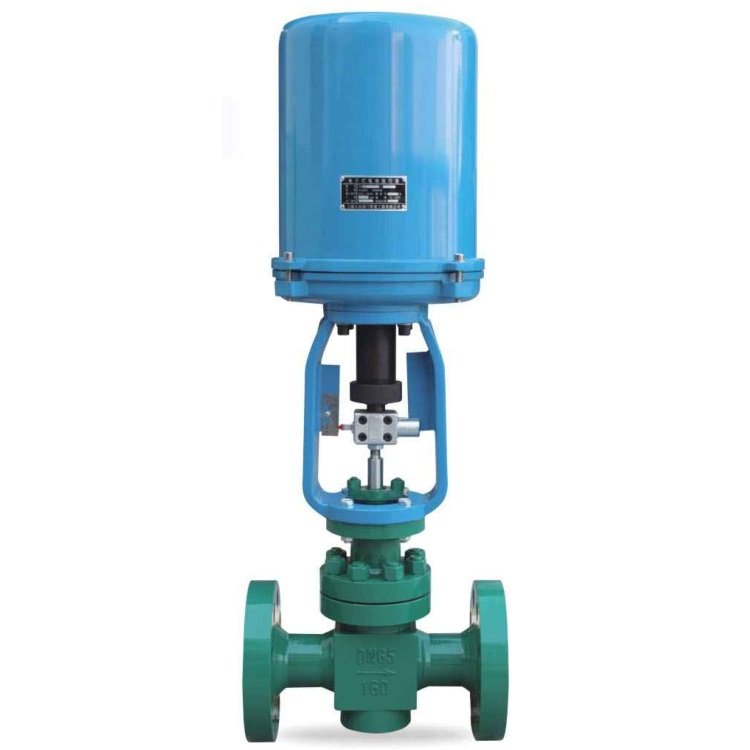
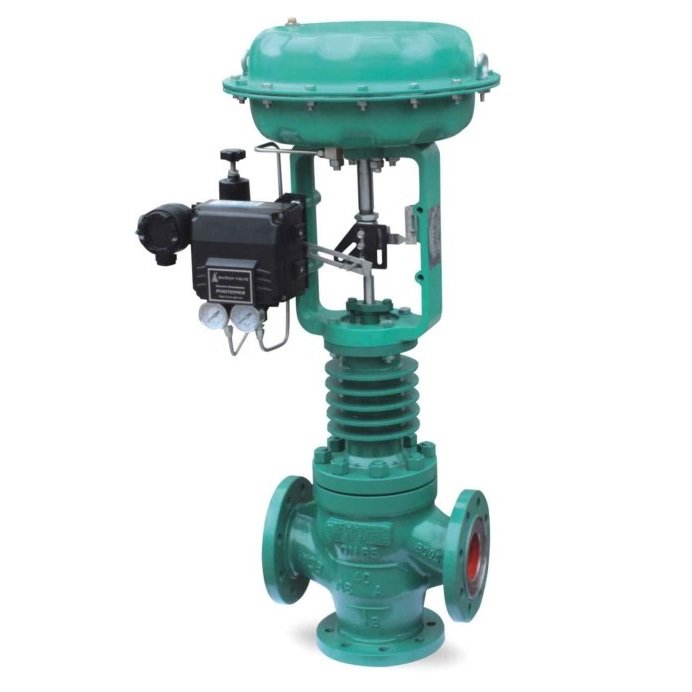
This three-way control valve uses a pneumatic diaphragm actuator. Mixing combines two incoming streams into a common outlet; diverting sends one incoming stream toward two branches. Specify the required duty and use the corresponding port diagram for piping and installation.
Actuator force moves the trim
Pneumatic loading acts on the actuator diaphragm, producing stem movement that positions the plug relative to the seats and changes the flow openings. The actuator diaphragm is not a process-wetted throttling element. The supplied trim, actuator and positioner determine the usable action and control behavior; high accuracy or a fixed response time cannot be inferred from the catalogue name.
Size for the operating cases
Submit a circuit sketch with port labels and flow arrows, fluid properties, required branch flows and inlet/outlet pressures for the normal and limiting cases. Confirm the selected flow coefficient, allowable differential pressure, leakage requirements and failure behavior through the application review. Do not assign a common size range, PN/Class range or face-to-face dimension without configuration-specific documents.
Frequently asked questions
Can a mixing valve simply be piped backwards for diverting?
Select a mixing or diverting configuration for the required circuit. The valve flow diagram specifies the permitted port connections and flow directions for that configuration.
Will it fail closed if the air supply is lost?
Confirm what happens at each port for the supplied actuator and accessories. Fail closed is incomplete unless the affected flow paths and utility-failure conditions are defined.
What is needed to replace an existing three-way valve?
Provide its port diagram, dimensions, flow cases, pressures, actuator action and signal requirements. The nominal pipe size alone does not establish equivalent control performance.
General technical references—not product certificates: Example manufacturer instructions for mixing/diverting installation
Prepare a quotation for this valve
For mixing or diverting duty, send the circuit diagram and operating cases rather than choosing only by line size.
- Port diagram
Label every port, inlet/outlet flow direction and the intended mixing or diverting duty.
- Sizing cases
Branch flows, fluid properties, temperatures and upstream/downstream pressures at normal and limiting operation.
- Controls
Signal, air supply, action at each port after utility loss, accessories and leakage requirements.
Documents to agree before supply
- Approved port/flow diagram and application-sizing review
- Actuator/positioner/accessory identification and fail-action statement
- Connection drawing and agreed inspection requirements
Ask which documents are available for the offered configuration and agree their scope before supply. A catalogue picture is not a certified drawing or test report.
Download a buyer enquiry checklist
Download this valve enquiry checklist (TXT). This is a fill-in purchasing worksheet, not a technical datasheet. Unknown values can be left blank.
Send an enquiry for this valve · cross-standard valve replacement checklist · Engineering selection and technical Q&A