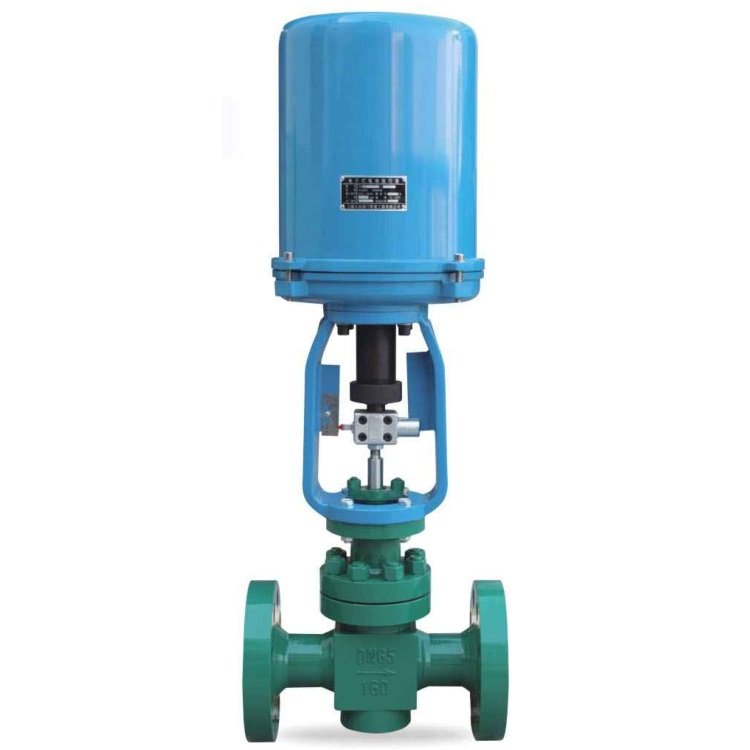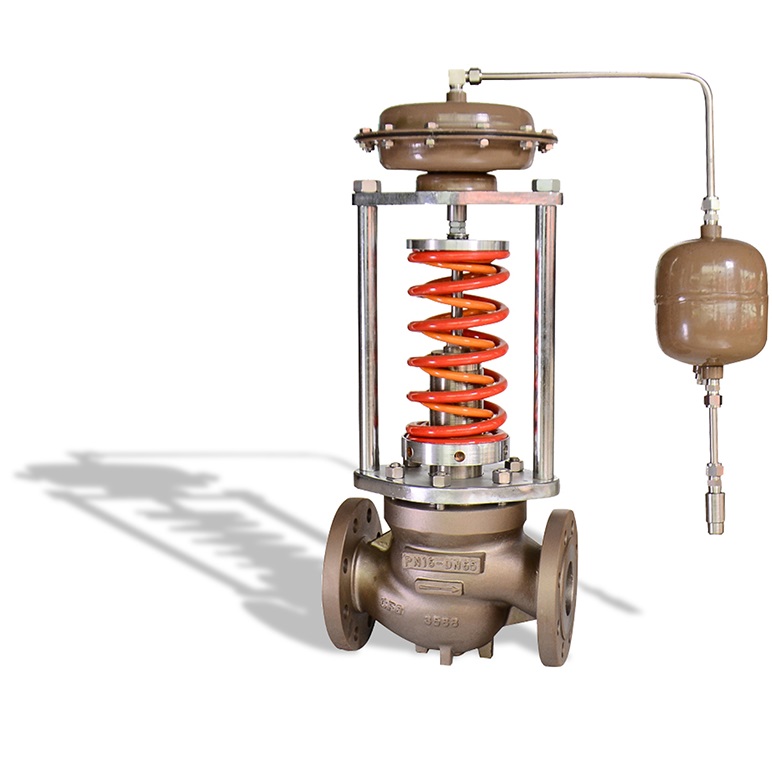
A self-acting pressure regulating valve uses process pressure as part of its regulating action. First define the required pressure-control duty, then check flow, differential pressure, setting range and the properties of the medium.

Identify the required pressure-control duty
State whether the task is to regulate downstream pressure, control upstream pressure or fulfil another specified duty. Different duties are not interchangeable merely because a valve is called self-acting. Confirm the sensing arrangement and actual operating principle during selection.
Manual setting is different from manual valve actuation
A setting mechanism may allow an operator to adjust the pressure set point. This does not make the valve a manually driven isolation valve, or establish that electric or pneumatic actuators can be substituted on the same valve.
Operating information needed for a quotation
Provide the medium and its state, working temperature, inlet and outlet pressures, target controlled pressure, minimum and maximum flow, nominal size, pipe interface and start-stop conditions. Review the required setting range, differential pressure and allowable variation using the actual product data.
Confirm materials, connections and operating limits separately
Check the body, sealing and sensing components against the medium and temperature-pressure conditions. Confirm the pipeline interface dimensions and any medium-specific installation or auxiliary requirements. Generic size, material and rating combinations are not presented as confirmed specifications for this valve.
Buyer questions
Does this self-acting valve need an electrical supply or instrument air?
Self-acting regulation uses the pressure of the process medium rather than external electrical or pneumatic drive as the default arrangement. Remote settings, feedback or other accessories require a separately confirmed solution.
Can I select a downstream-pressure regulator just by pipe size?
No. Provide the medium, temperature, inlet pressure range, required outlet pressure, and minimum and maximum flow. Check the control task, setting range and differential pressure against the actual product selection data.
Will the pressure remain exactly at the setting at every flow?
That is not guaranteed. Review the actual operating range and performance data, including inlet-pressure changes, flow variation and allowable deviation. A pressure setting is not a complete selection specification.