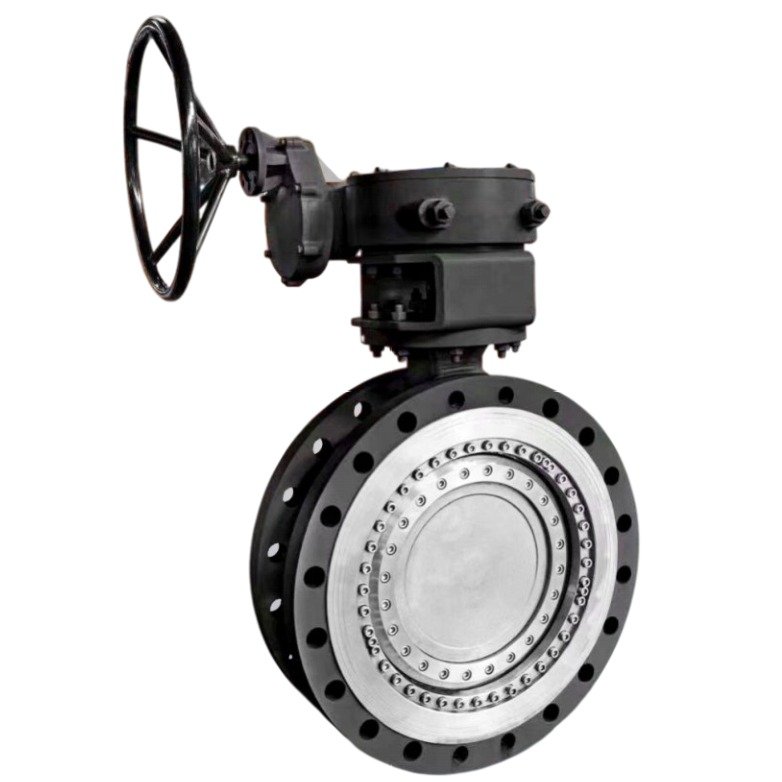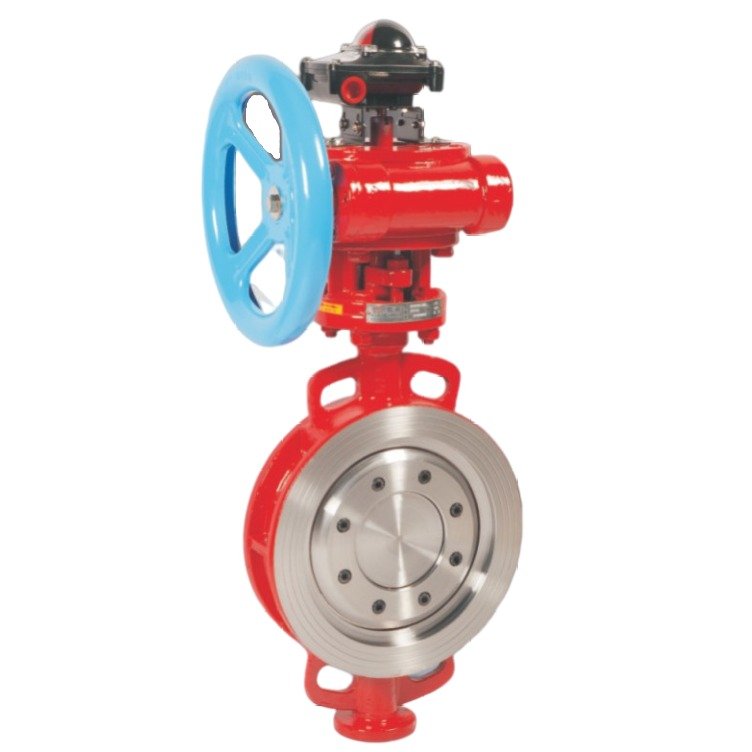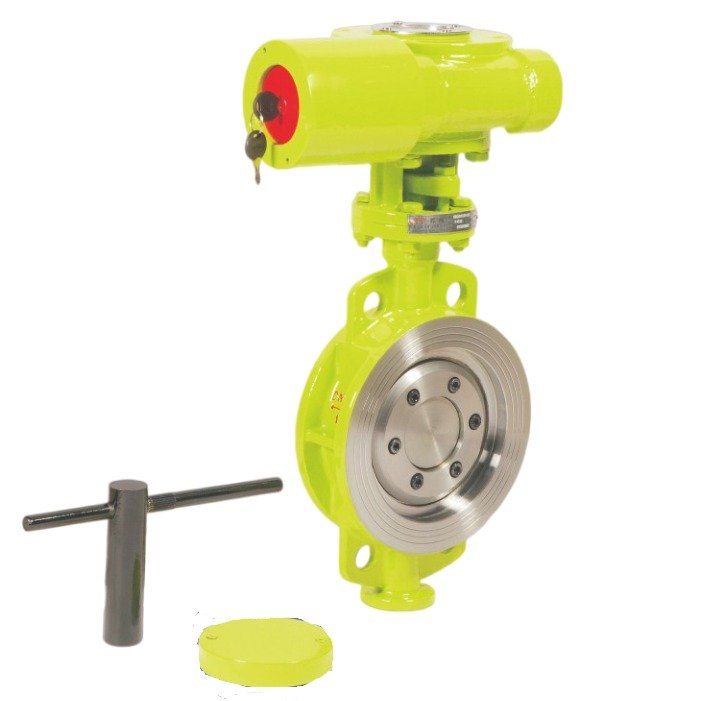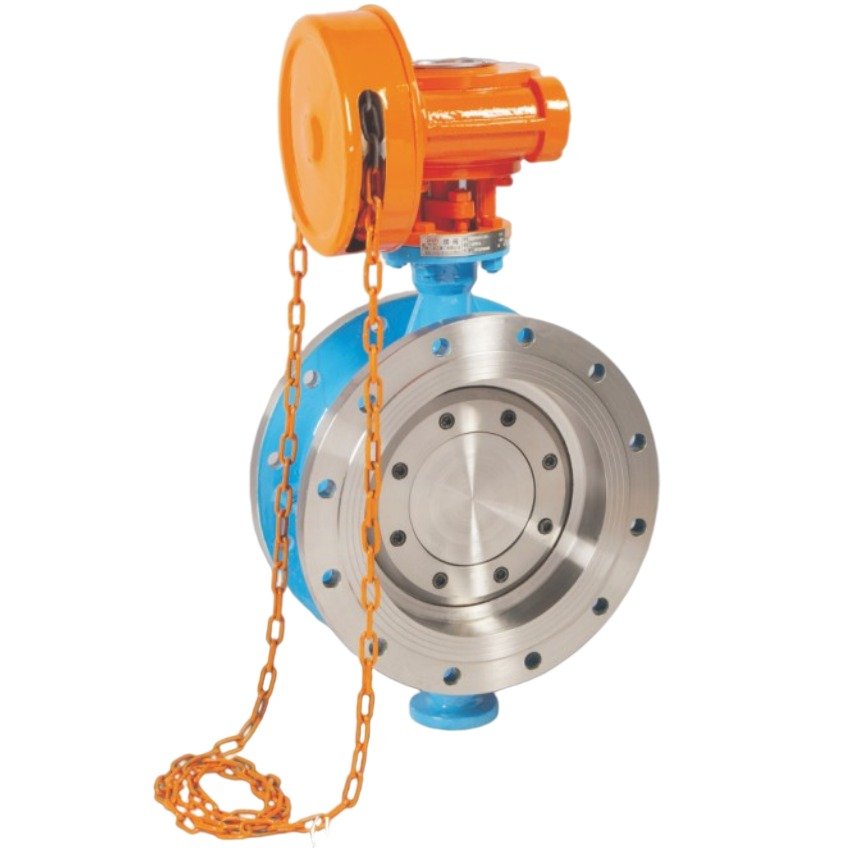
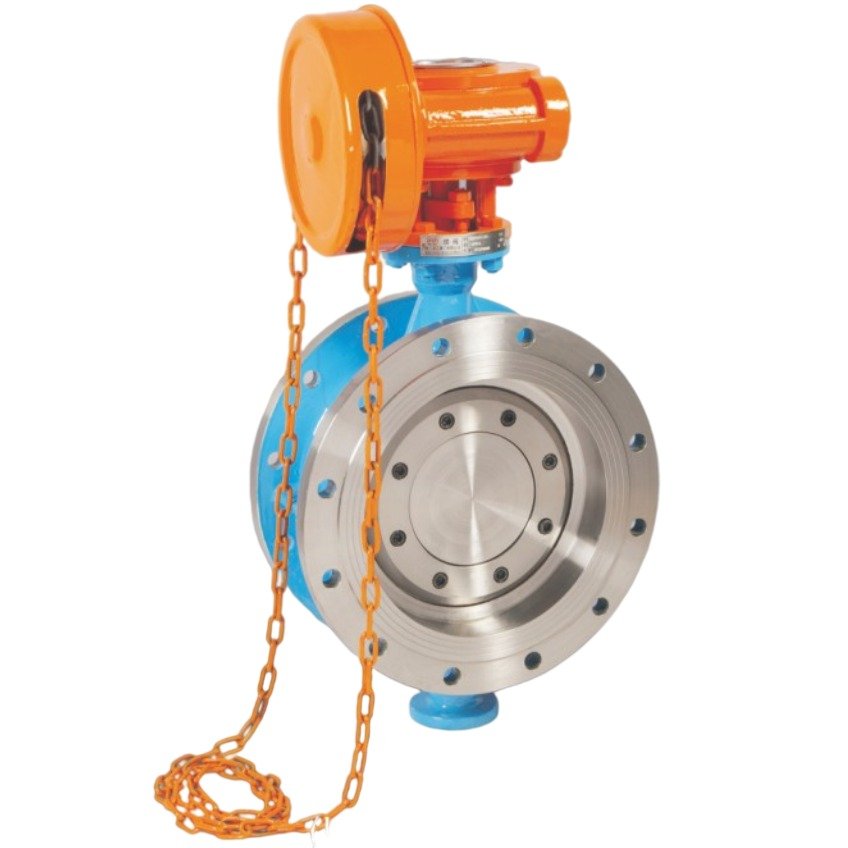
This flanged butterfly valve uses a manually pulled chain to operate a worm gearbox where direct access to a handwheel is difficult.
Manual operation, not an electrical control signal
The chain transmits a manual operating action to the gearbox. A chainwheel does not by itself provide pneumatic or electric actuation, position feedback or suitability for a hazardous area.
Check the chain route before specifying its length
Provide the valve elevation, operator standing position, available drop and nearby pipes or equipment. Chain length must suit the operating arrangement and clearance, not just the distance from the valve to the floor.
Match the pipeline and maintenance space
Confirm nominal size, flange standard, pressure designation, facing, bolt pattern and face-to-face dimension. Allow room for disc travel, the gearbox, the chain and future maintenance. Follow the instructions supplied with the selected configuration.
Information needed for a quotation
Send the medium, working temperature and pressure, maximum differential pressure, size, flange details and installation drawing. Materials, sealing arrangement and allowable operating conditions need confirmation for the actual valve; no rating is inferred from the chain operator.
Buyer questions
Can I open a valve installed overhead from ground level?
A chainwheel can provide manual operation from a more accessible position. Confirm the mounting height, chain route, operator position and clearances with the proposed valve arrangement before ordering.
Does a chainwheel make this an electrically controlled valve?
No. The chainwheel is a manual operating device. Electrical control, feedback or automation requires a separately selected and confirmed arrangement.
Is matching the pipe size enough to replace my existing valve?
No. Check the flange standard, pressure designation, facing, bolt pattern, face-to-face dimension and disc clearance, as well as the chain and gearbox operating space.
Prepare a quotation for this valve
Use a site layout to define a practical manual operating arrangement before requesting a chainwheel-operated butterfly valve.
- Operating location
Provide valve elevation, operator standing level, available chain drop, route obstructions and the space needed to handle the chain. Mark these on a site sketch; do not choose chain length from elevation alone.
- Process and duty
State medium, temperature, working pressure, maximum differential pressure, opening frequency and the intended normal valve position.
- Piping and replacement
Send nominal size, flange standard and facing, bolt pattern, face-to-face dimension, disc clearance and any existing valve drawing or nameplate.
- Operator arrangement
Specify the chainwheel and gearbox orientation, mounting position, operating effort, position indication and inspection access. Electrical control and hazardous-area requirements should be listed separately in the enquiry.
Documents to agree before supply
- Configuration-specific outline drawing showing disc travel, gearbox and chain route
- Operation and maintenance instructions for the supplied chain operator
- Confirmed body/seat material schedule and agreed pressure/sealing test scope
Ask which documents are available for the offered configuration and agree their scope before supply. A catalogue picture is not a certified drawing or test report.
Download a buyer enquiry checklist
Download this valve enquiry checklist (TXT). This is a fill-in purchasing worksheet, not a technical datasheet. Unknown values can be left blank.
Send an enquiry for this valve · butterfly valve replacement checklist · Engineering selection and technical Q&A