中外合资阀门品牌-致力于各类阀门的生产及研发。
[email protected] 0510-83129123
江苏泰科流体控制阀门有限公司

专业阀门制造商

询价

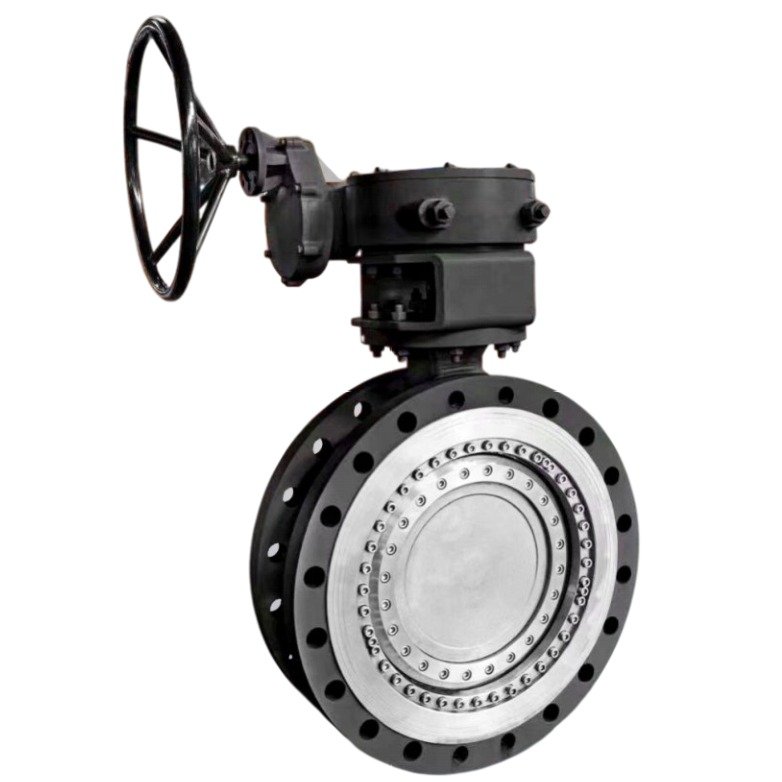
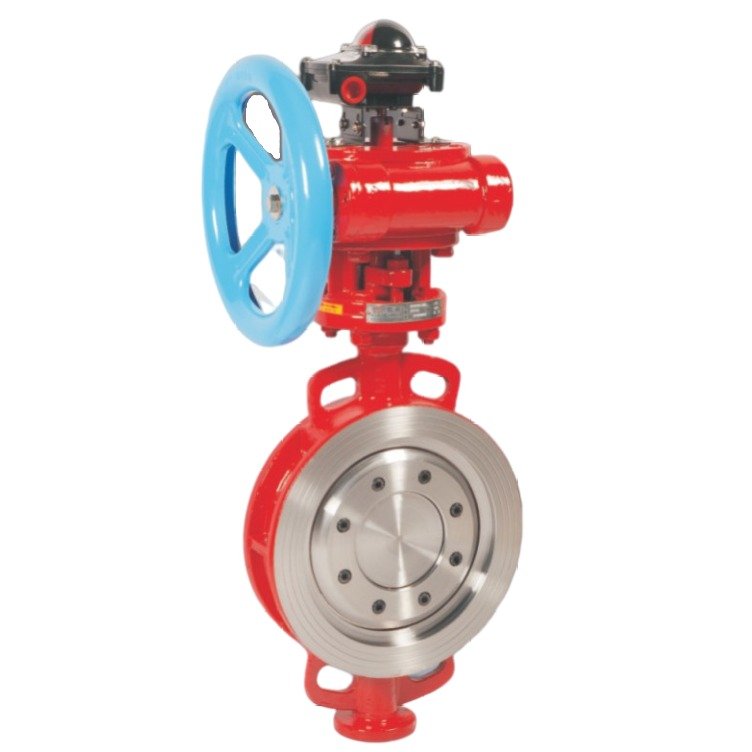
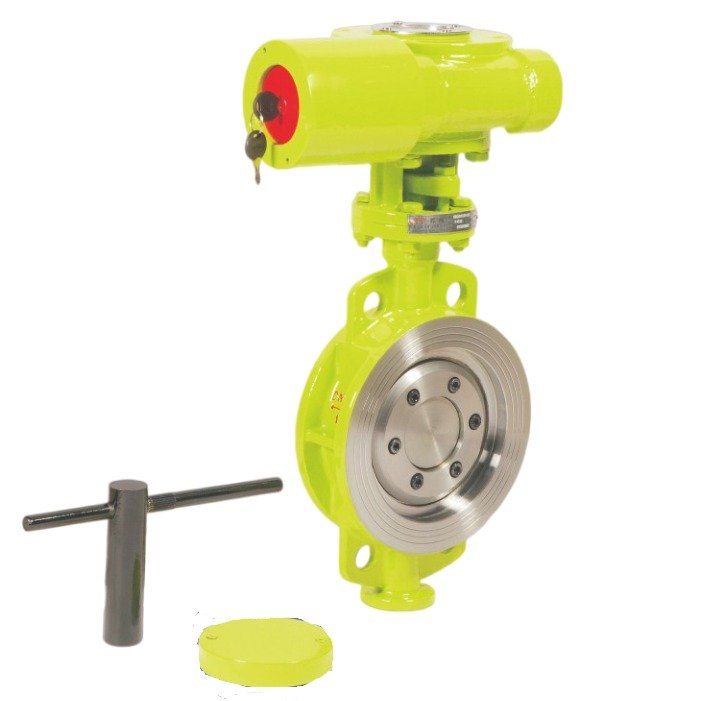
Extended stem double flange hard seal butterfly valve - triple eccentric

Extended stem double flange hard seal butterfly valve - triple eccentric

Product parameters

Extended stem butterfly valve flange extended stem specification Extended stem butterfly valve refers to the extended part of the operating stem that connects the valve operating platform and the valve body. Mainly used in underground work environments such as mines and underground mines. After the valve stem is lengthened, people can remotely operate the valve switch on the ground. We can produce valve stems according to customer specified lengths: 1 meter, 2 meters, 10 meters, or even 100 meters.

Tekron & Trekre

Butterfly Valve FAQs

01 Which butterfly valve seat design should be used?
Common designs include resilient seats and metal seats. Resilient-seated valves are generally used for water, air and low-leakage services at moderate temperatures. Metal-seated valves are selected for higher temperature, pressure or erosive industrial media. The final choice depends on the medium, temperature, pressure and required leakage class.
02 How do wafer, flanged and lug butterfly valves differ?
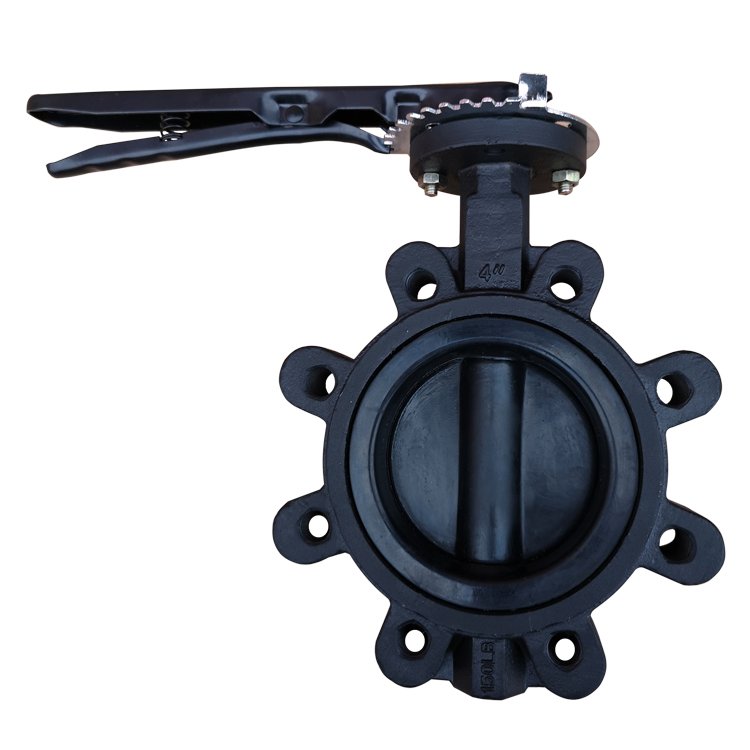
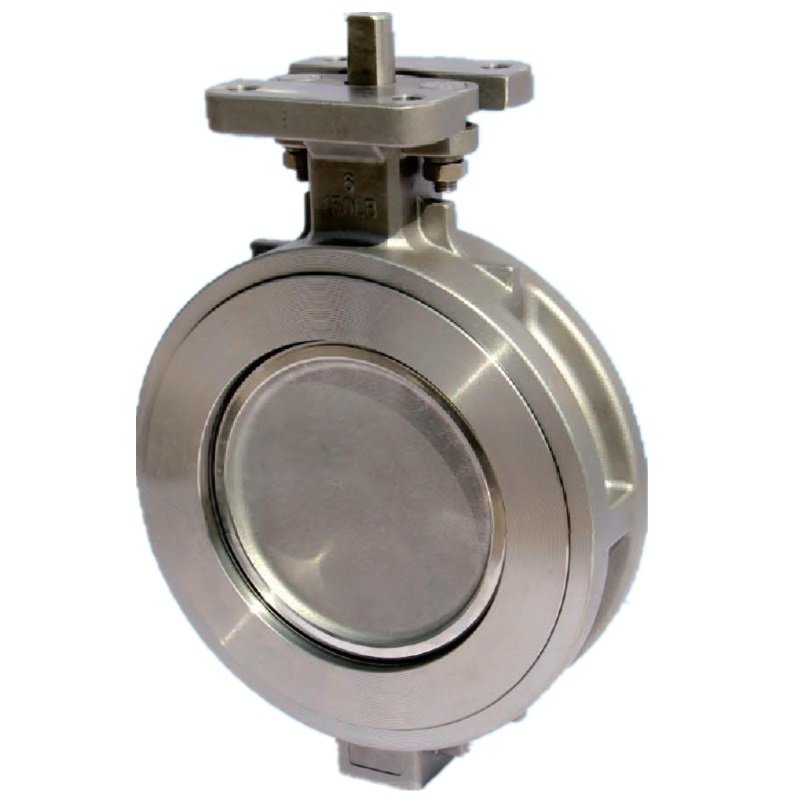
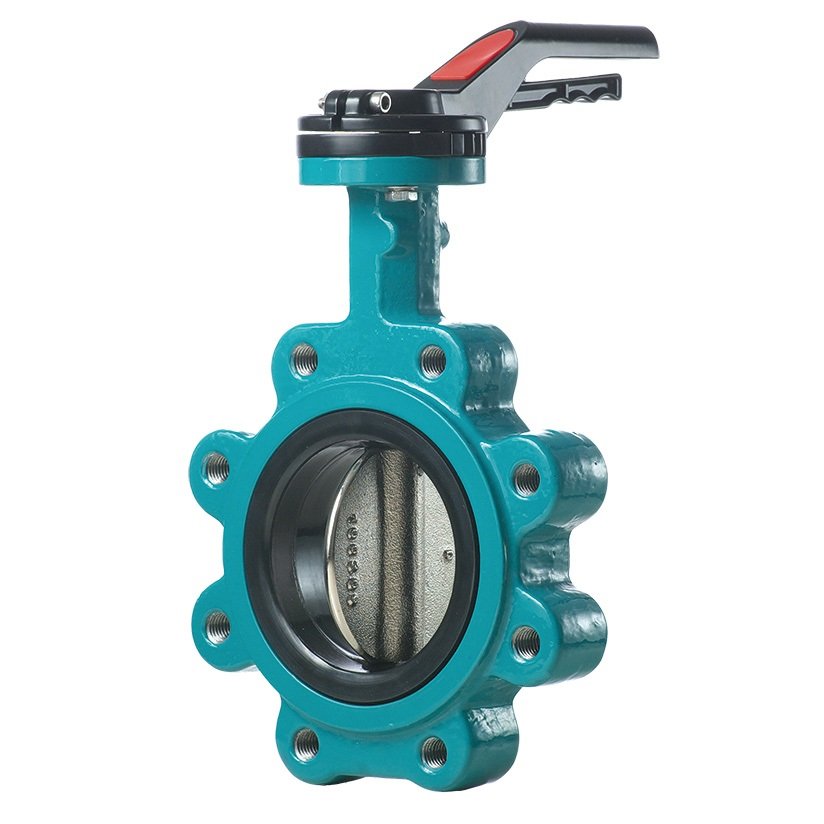
Wafer valves are compact and require little installation space. Flanged valves provide a stable pipeline connection for larger sizes or higher pipe loads. Lug valves can facilitate one-sided removal and maintenance. Selection depends on the piping standard, space, size and maintenance method.
03 Should a butterfly valve use pneumatic, electric or manual actuation?
Manual or gearbox operation suits local isolation. Pneumatic actuators provide fast response for frequent operation and hazardous areas. Electric actuators support remote control and modulation. The actuator must be sized for valve size, differential pressure, torque and control signal.
04 Which operating data are required for butterfly valve selection?
Provide the medium, design temperature, design pressure, nominal size, connection standard, body and seat materials, leakage class, flow direction, operating frequency, actuation method and any enclosure or explosion-protection requirements.