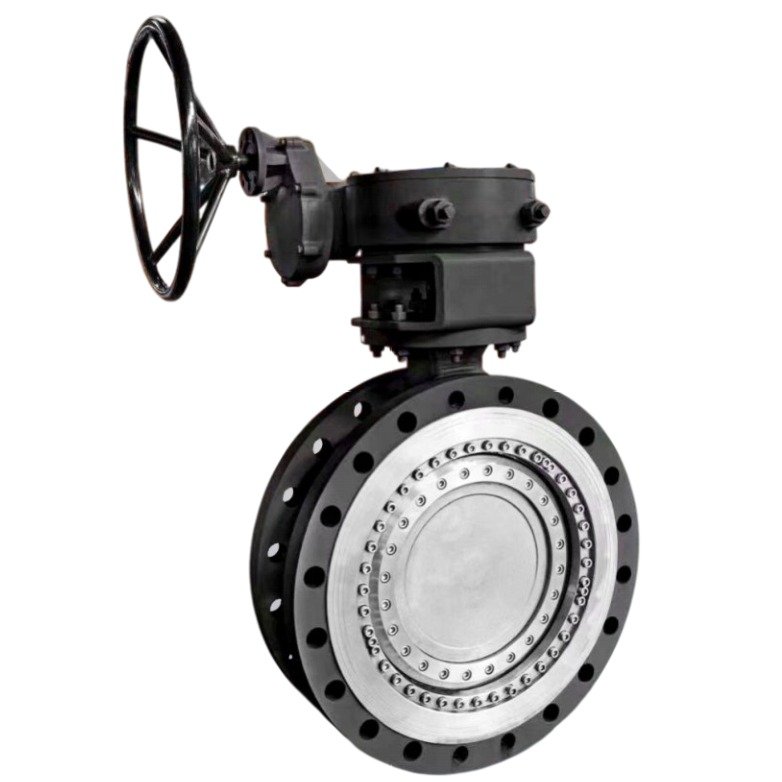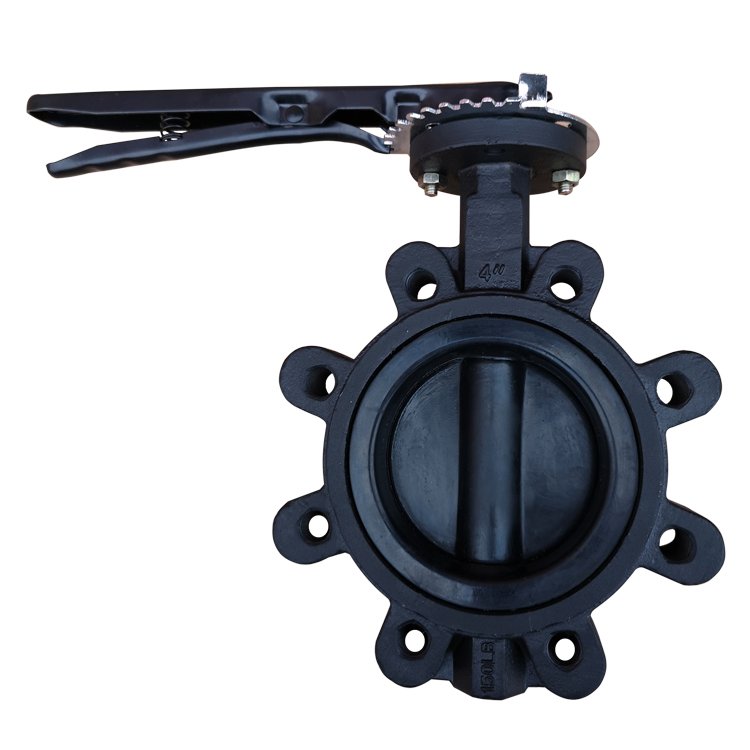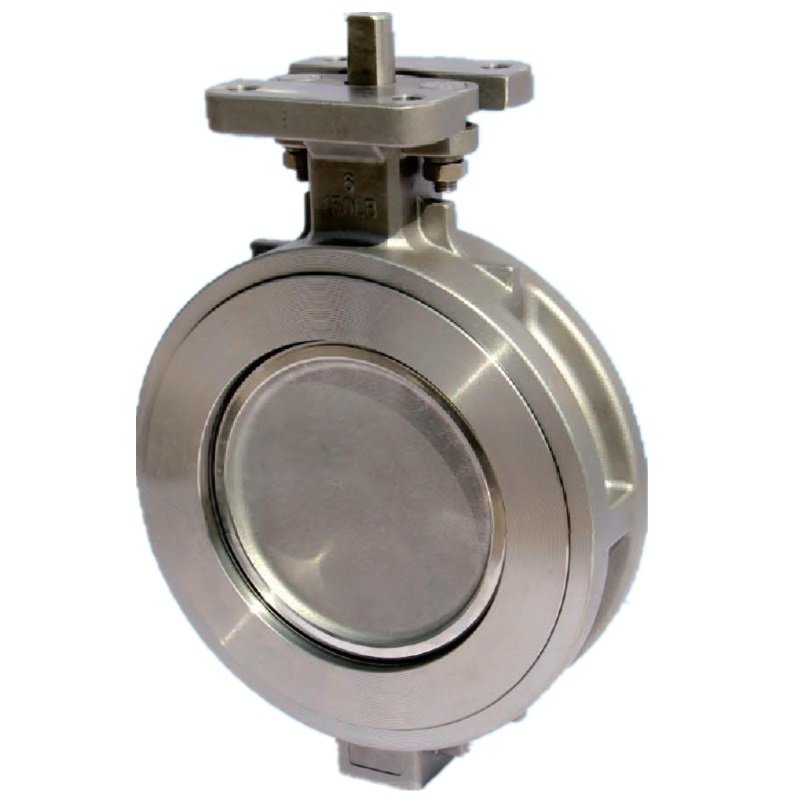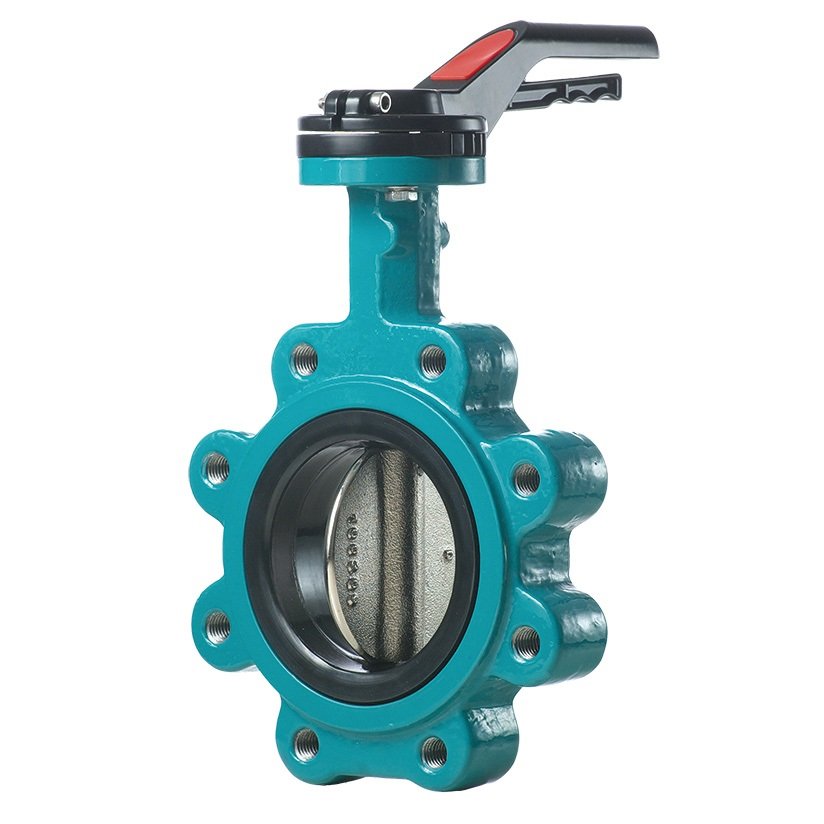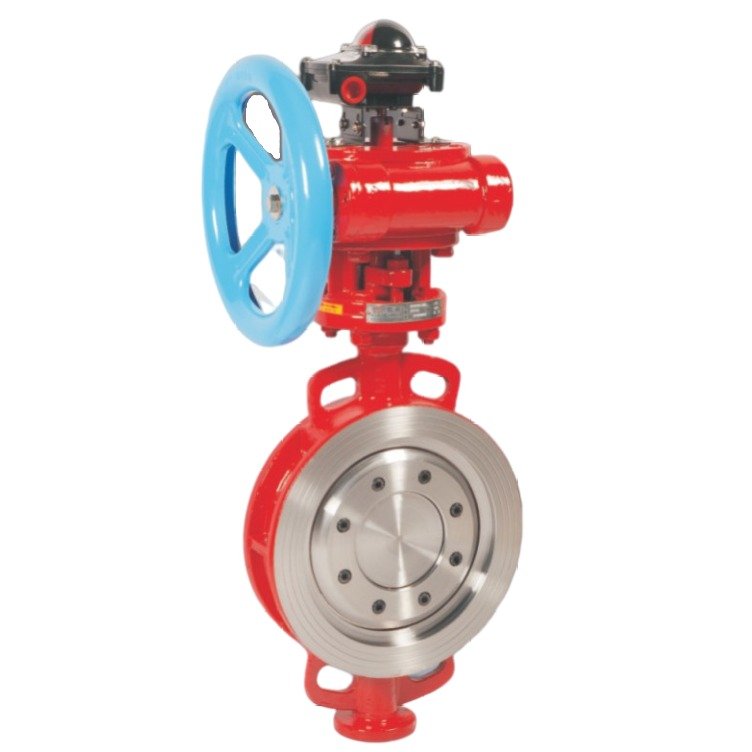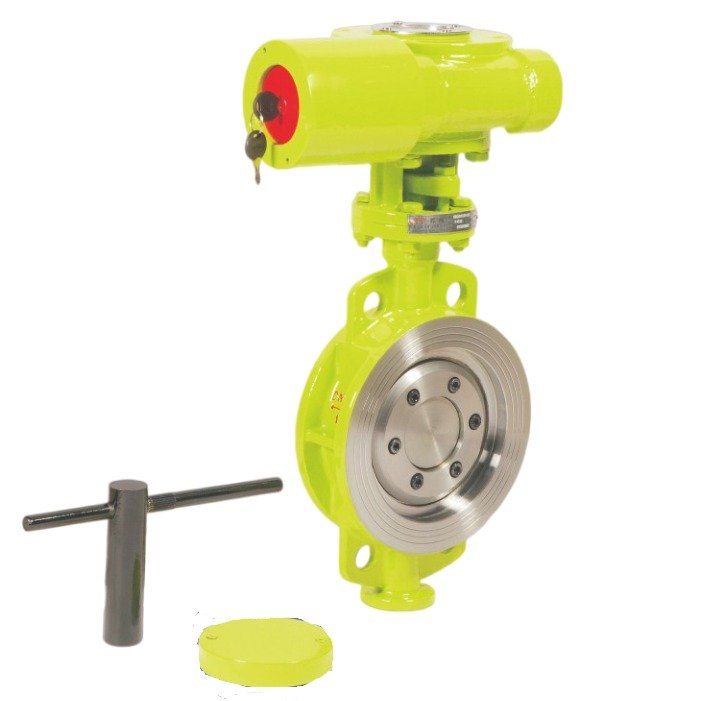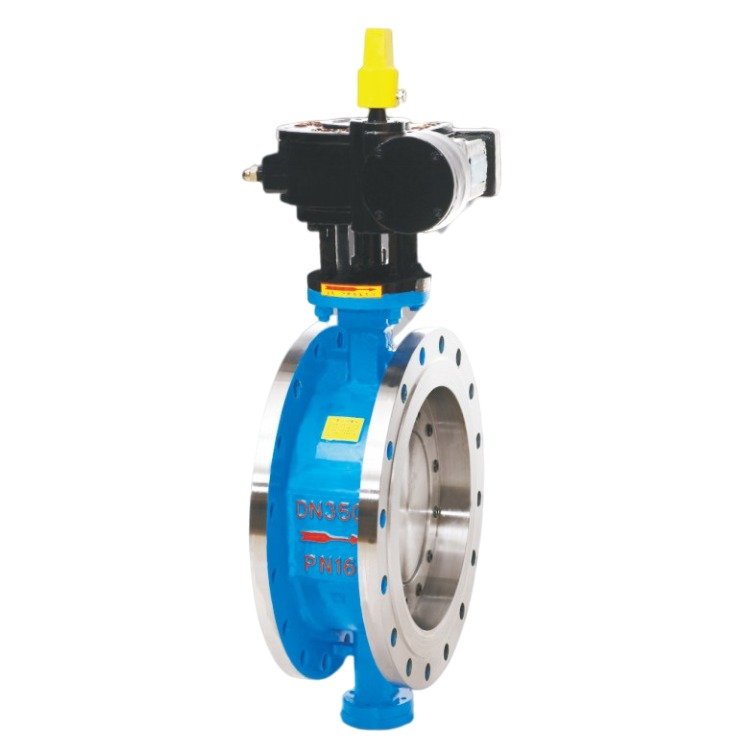
This buried, flanged, metal-seated butterfly valve series offers double-offset and triple-offset configurations. They are separate valve constructions, not modes switched on the same installed valve.
Construction and material or offset selection
A surface operator acts through the extension shaft and operating mechanism to rotate the stem and disc. Specify the selected offset geometry, seat construction, pressure direction and required torque on the order and drawing. Do not transfer sealing or operating limits from one construction to another. A buried-service designation alone does not establish long-term immersion protection, unrestricted soil loading or resistance to every external corrosive environment.
Selection, installation and maintenance
State whether the valve is in a chamber or directly buried, together with groundwater, flooding, soil and external corrosion conditions. Provide valve-centre and surface-operator elevations and measurement datums. Check the extension route, guide supports, position indication and maintenance access; burial depth alone is not the shaft length. Confirm flanges, face-to-face dimensions, materials, differential pressure, coating and protection for the actual configuration, without assigning unsupported common ratings.
Frequently asked questions
Is this series always triple offset?
No. Double-offset and triple-offset options are available. Select the construction for the medium, pressure and temperature, closing differential pressure and sealing requirements, and identify it on the drawing.
Does burial depth determine the extension shaft length?
Not by itself. Operator and valve elevations, datums, couplings, guide supports, access openings and maintenance space must also be checked.
Does buried service guarantee continuous immersion?
No. Specify water depth, duration, water quality and operator housing, then confirm the transmission, seals, protection and corrosion provisions separately.
Prepare a quotation for this valve
For a new buried installation or replacement, define the selected offset construction and the complete surface-operating arrangement.
- Installation geometry
Valve centreline, surface operator elevation, measured datums, chamber/opening drawing and maintenance access.
- Protection and duty
Flooding or immersion conditions, soil exposure, coating requirements, pressure direction and operating frequency.
- Valve selection
Double-offset or triple-offset construction, seat arrangement, material schedule and the required connection details.
Documents to agree before supply
- Approved valve and extension-shaft assembly drawing
- Selected offset/seat construction and pressure-direction statement
- Operator protection, maintenance and agreed test documentation
Ask which documents are available for the offered configuration and agree their scope before supply. A catalogue picture is not a certified drawing or test report.
Download a buyer enquiry checklist
Download this valve enquiry checklist (TXT). This is a fill-in purchasing worksheet, not a technical datasheet. Unknown values can be left blank.
Send an enquiry for this valve · butterfly valve replacement checklist · Engineering selection and technical Q&A