Welded ends, body construction and sealing
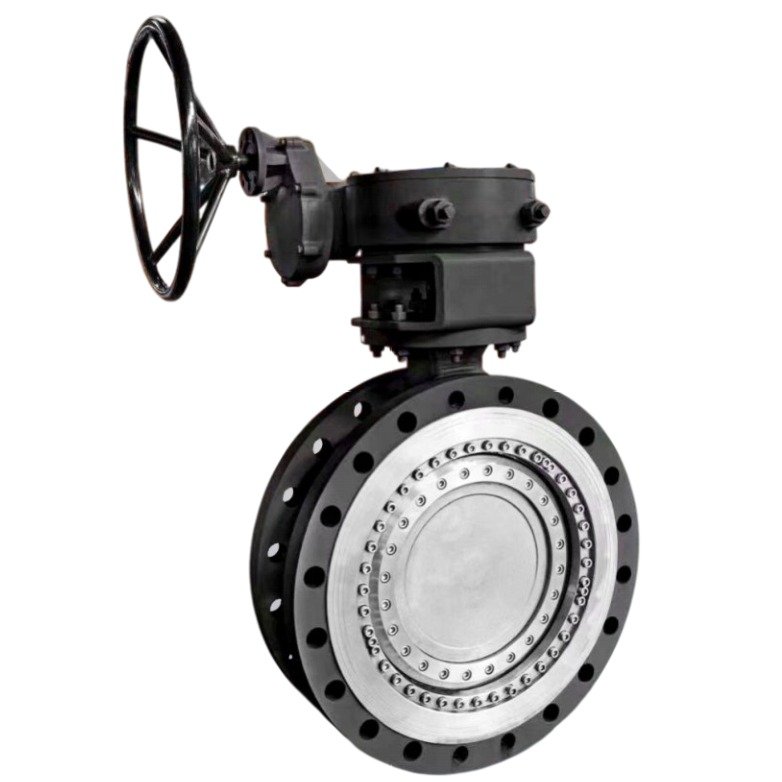
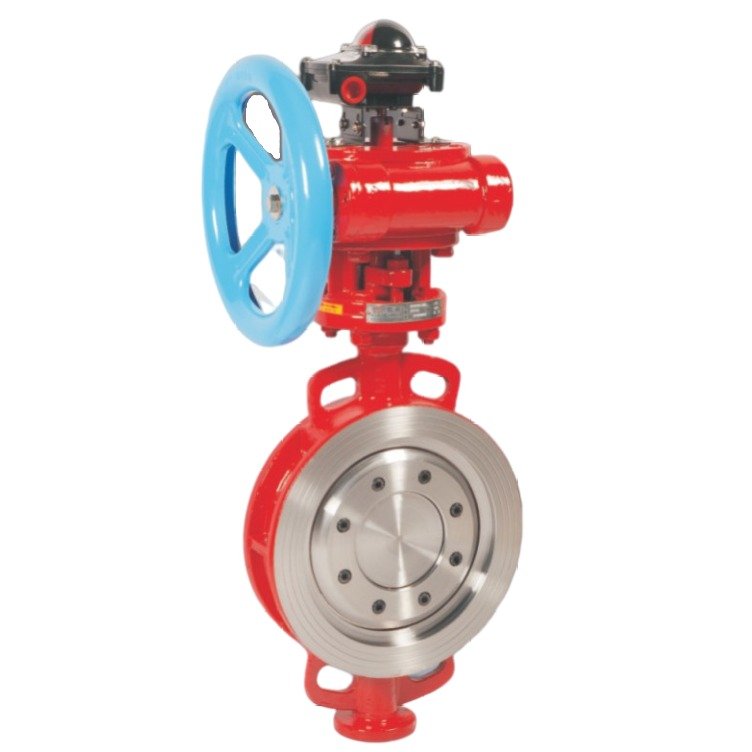
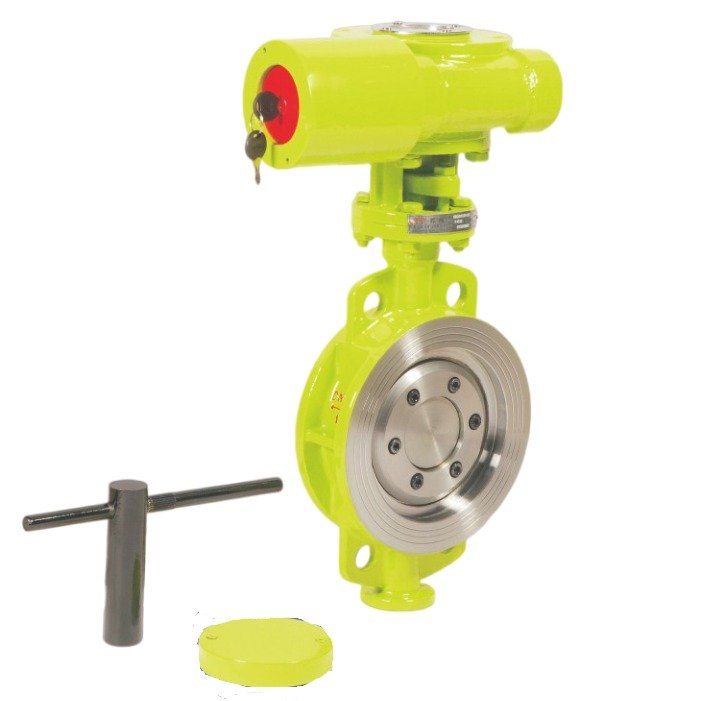
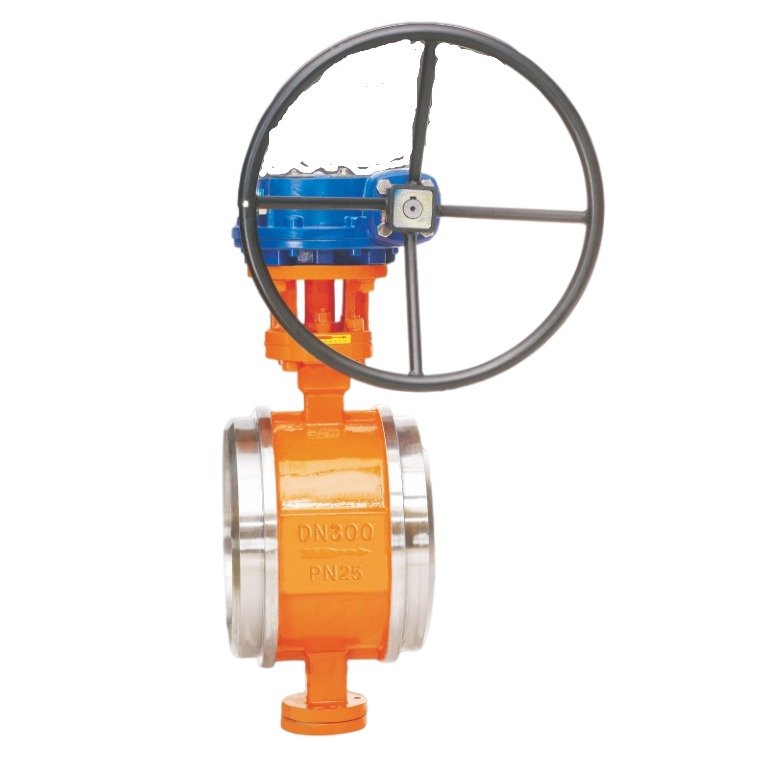
This product is a worm-gear-operated, metal-seated butterfly valve with welded pipeline connections. Specify the body construction separately from the welded ends. Select the triple-offset execution using its sectional drawing and connection dimensions.
A welded connection does not guarantee permanent zero leakage. Weld integrity, seat shutoff and stem leakage are different boundaries. Specify the operating and design conditions, shutoff differential, flow direction, test standard and acceptance criteria. A metal seat or welded end does not itself prove fire-test qualification or suitability for firefighting duty.
Provide pipe material, outside diameter, wall thickness, end preparation and installation space. Welding, heat protection, valve position, cleanliness and inspection must follow the specific valve instructions and the approved welding procedure; no universal welding temperature or disc position is prescribed here. Confirm operator torque, travel, access, insulation and future removal arrangements. Do not infer maintenance-free service or interchangeability of pneumatic/electric operators.
Frequently asked questions
Does a welded connection guarantee leak-free service for life?
No. Inspect and test the welds, seat and stem sealing under the applicable acceptance requirements, and maintain the valve as instructed.
Should the disc always be fully open while welding?
Do not use a universal instruction. Follow the particular valve manual and approved welding procedure, including heat and contamination protection.
What proves suitability for fire service?
The required application-specific qualification and documentation for the actual valve configuration; the product name alone is insufficient.