中外合资阀门品牌-致力于各类阀门的生产及研发。
[email protected] 0510-83129123
江苏泰科流体控制阀门有限公司

专业阀门制造商

询价

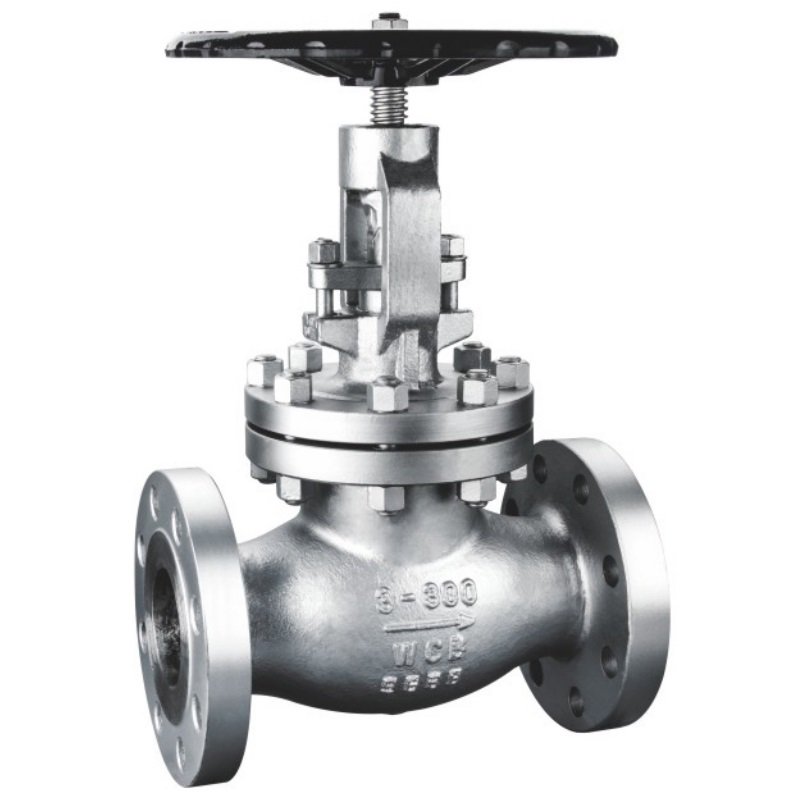
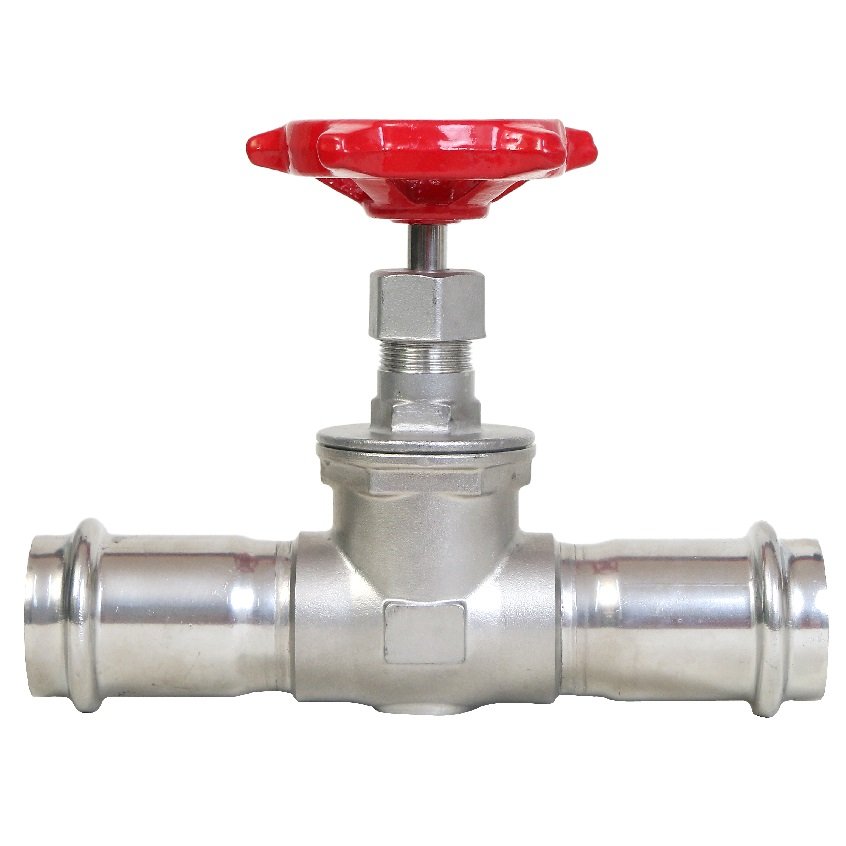
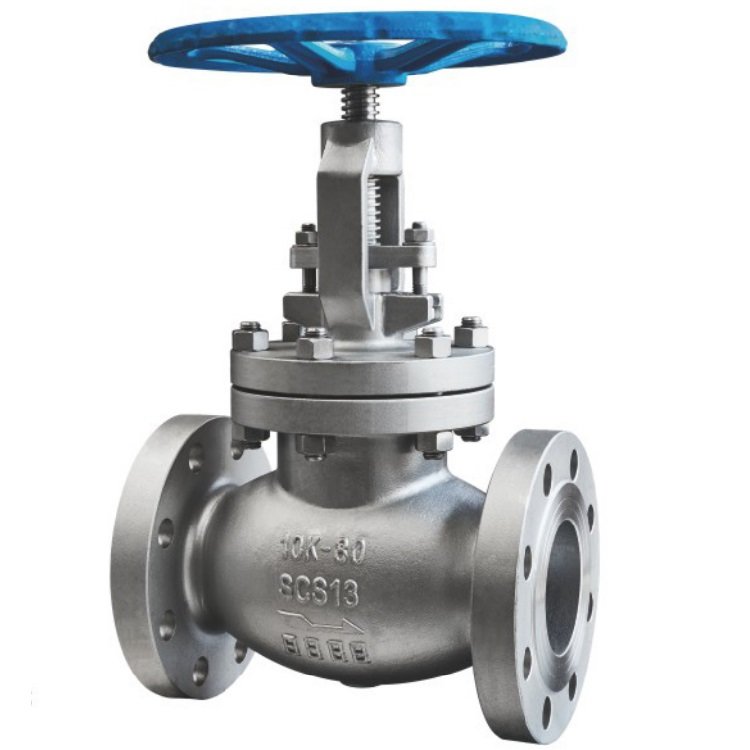
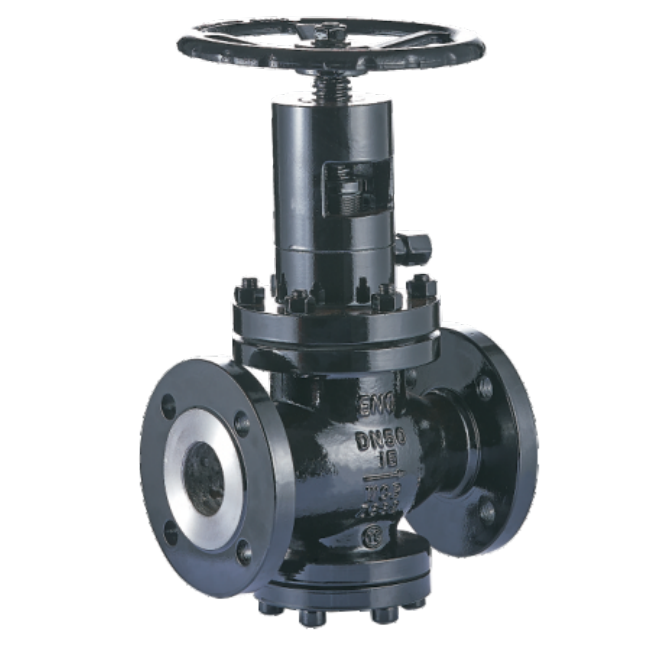
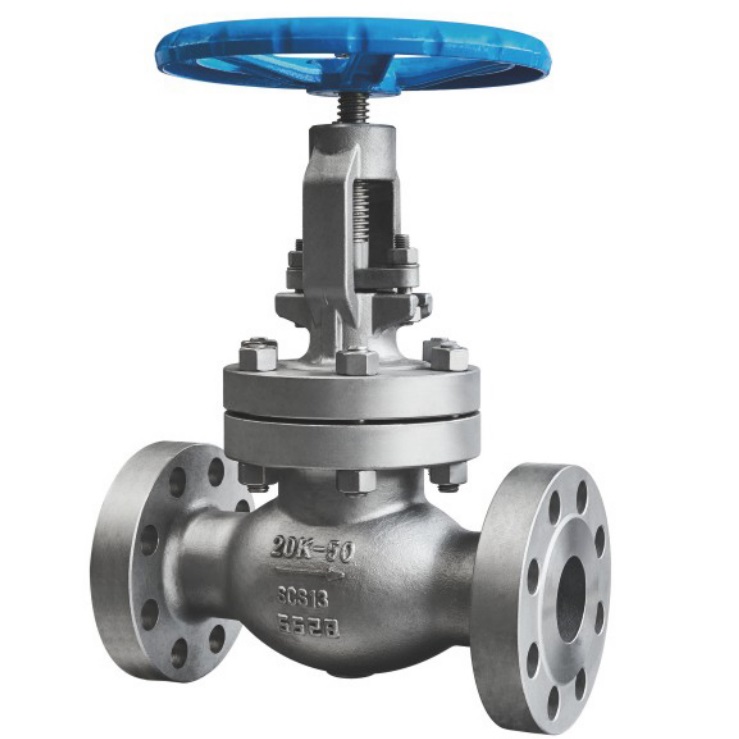
Valve sleeve type throttling shut-off vent and discharge valve

Valve sleeve type throttling shut-off vent and discharge valve

Product parameters

Valve sleeve type throttling, shut-off, venting and sewage valve is a multifunctional valve commonly used in pipeline systems. This type of valve has a throttling function and can be used to limit the flow of fluid through pipelines. It can control the fluid flux by rotating or adjusting the internal components of the valve body, such as cones or spheres, to achieve the purpose of flow regulation. Valve sleeve type valves typically have a movable valve sleeve used to control throttling, shut-off, venting, and blowdown functions. The valve sleeve can be moved as needed to achieve the desired operation.

阀套式节流截止放空排污阀

Cut off function: The valve sleeve type throttling cut-off blow off valve also has a cut-off function, which can completely close the pipeline to cut off the flow of fluid. This is crucial for pipeline closure during repair, maintenance, or emergency situations. Venting function: This type of valve usually also has a venting function, which can be used to discharge gas from pipelines. This is necessary for air emissions and maintenance of pipeline systems. Discharge function: The valve sleeve type throttling stop vent discharge valve can also be used for discharge. This means that it can be used to remove dirt, impurities, or sediment from the pipeline to ensure its unobstructed flow. This multifunctional valve is typically used in applications that require control, maintenance, and cleaning of pipeline fluids, such as industrial, chemical, water treatment, and water supply systems. The specific design and performance characteristics may vary depending on the manufacturer and application, so it is recommended to contact the supplier or manufacturer for detailed specifications and technical parameters.
Tekron & Trekre

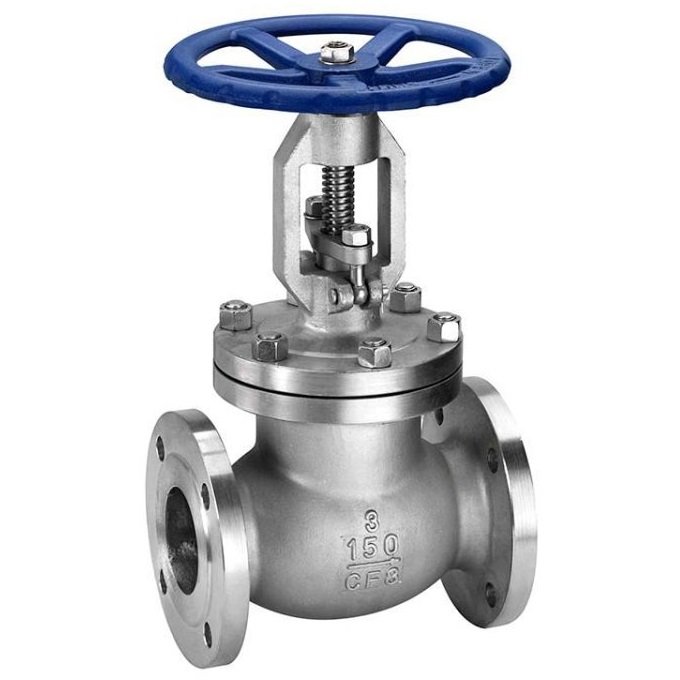
Stop valve

01 Why are stop valves suitable for throttling, while gate valves are not?
The core concept can be summed up in one sentence: The stop valve is like a faucet, allowing you to control the flow of water precisely by adjusting the opening degree; the gate valve is like a door, either fully open or fully closed; when it is partially open or closed, the water flow will "scrape" and damage the sealing surface of the gate plate.
The figure above has already shown the structural comparison between the two. The flow channel of the stop valve on the left is S-shaped (the fluid changes direction, which is itself a throttling principle), while the flow channel of the gate valve on the right is straight-through (the fluid does not turn, and the gate plate is suspended in the middle and is subject to erosion and vibration).
Selection rule: Use a stop valve for throttling and regulating; use a gate valve for full opening and full closure.
02 How to evaluate valve manufacturers?
The product's execution standards, pressure ratings and material ranges, valve body and internal component traceability, pressure and sealing test documents, flow direction and installation requirements, similar medium experience, and after-sales responsibilities should all be verified. The supplier should also provide a written confirmation of the selection based on the medium, temperature, pressure difference, diameter and regulation requirements.
03 What are the characteristics of stop valves and in which situations are they applicable?
The stop valve achieves cutting or regulation by the movement of the valve disc along the axis of the valve seat. It usually has good throttling characteristics, but the flow channel turns will result in higher pressure loss compared to the straight-through type valve. It is commonly used in steam, process media and pipelines requiring certain flow regulation; the specific structure, materials and flow direction should be determined according to the working conditions.