Construction and material options
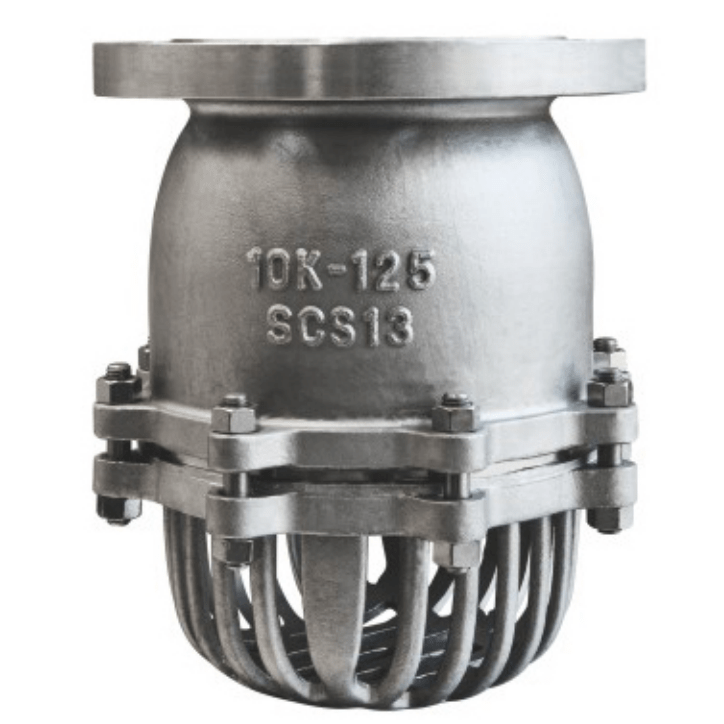
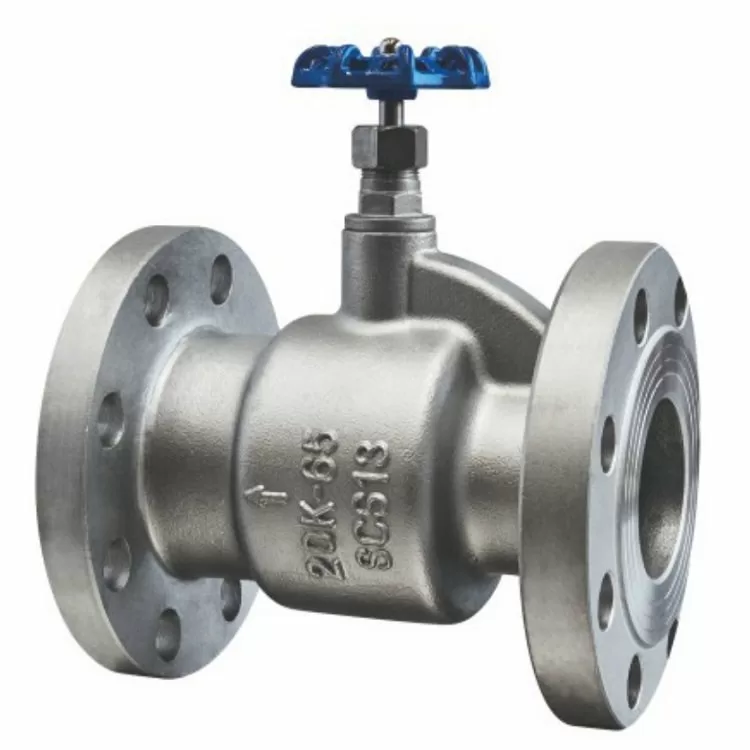
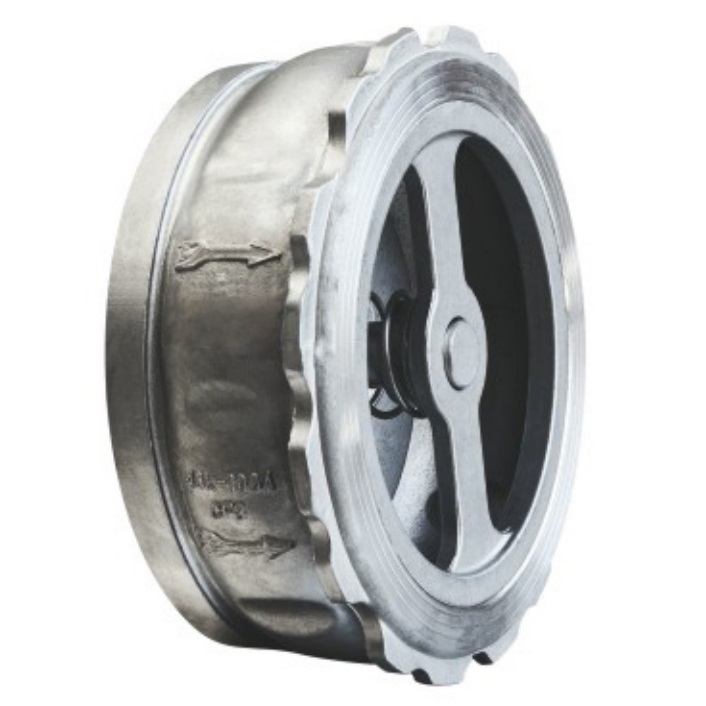
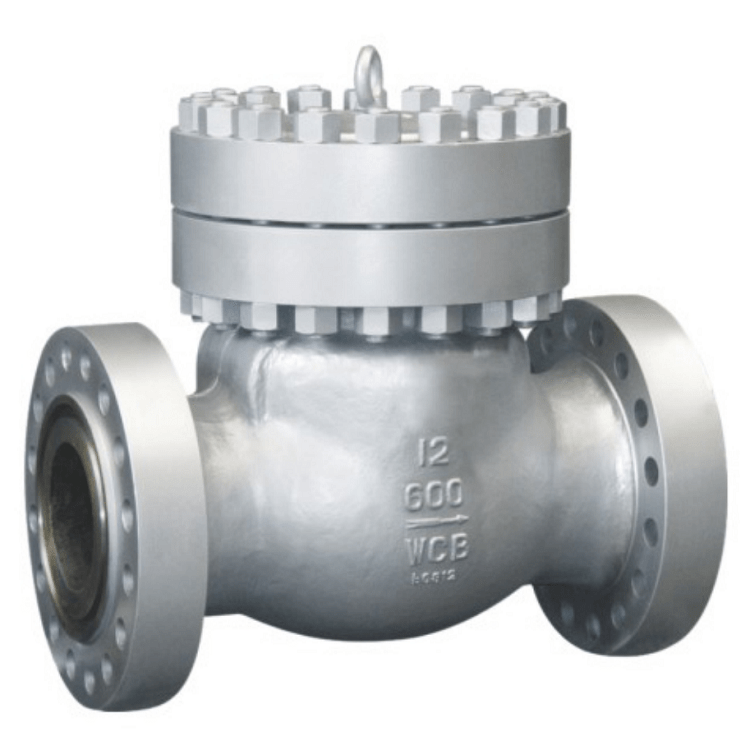
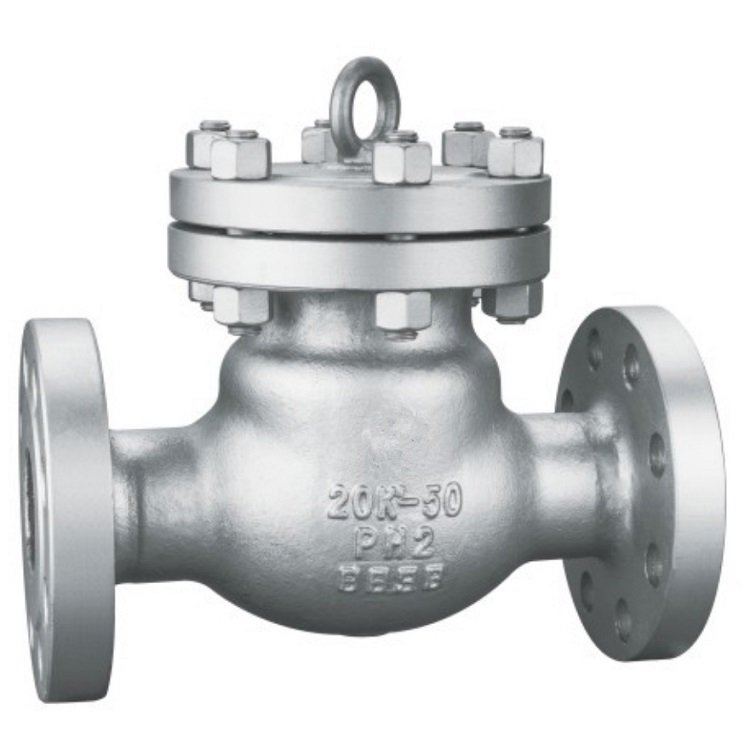
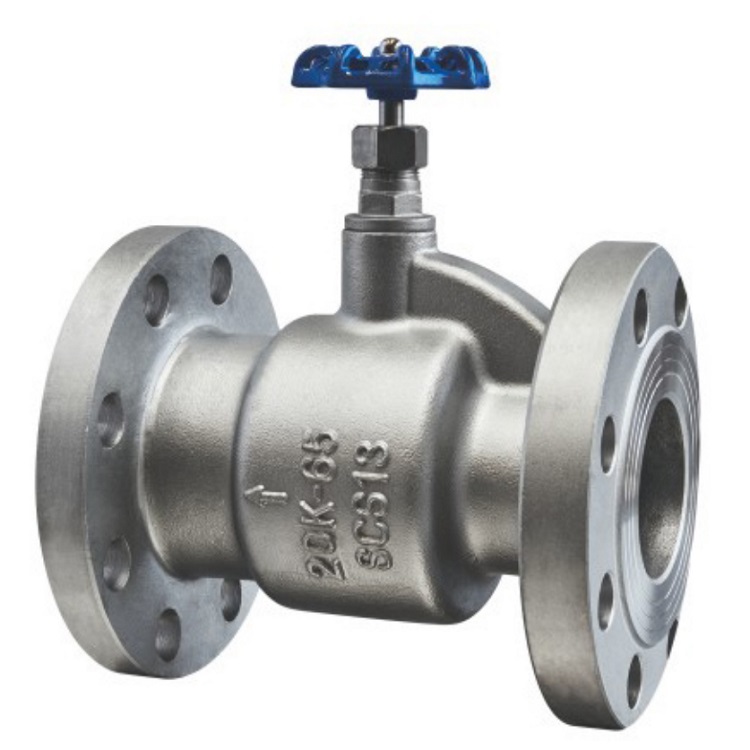
This series is a flanged lift check valve with SCS13 or SCS14 material options. The body and internal components must be identified for the selected configuration; the two grades are not a single material.
Opening and closing
Forward differential pressure lifts the guided disc from its seat. As flow falls or reverses, the disc returns to the seat. Gravity assistance, a spring and permitted mounting orientation depend on the actual design; neither a spring nor vertical installation should be assumed for every version.
Rating and optional functions
JIS 20K is not a fixed equivalent of PN40 or Class 300 and does not establish a universal 4 MPa limit. Confirm pressure-temperature ratings, materials and flange dimensions. Bypass, damping and slow closing require specific drawings and supply confirmation; they are not implied by the lift-check designation.
System and maintenance checks
Assess pump and piping transients rather than promising elimination of water hammer. Leakage acceptance depends on the actual seat and agreed test requirements. Follow the flow arrow and installation manual, and isolate and depressurize before maintenance; a check valve is not a maintenance isolation device.
Enquiry and technical documents
Provide fluid composition, normal and maximum pressure and temperature, flow, size, connections and operating requirements. Verify the selected data sheet, assembly drawing, material documents and agreed tests; do not transfer ratings from a different product.