中外合资阀门品牌-致力于各类阀门的生产及研发。
[email protected] 0510-83129123
江苏泰科流体控制阀门有限公司

专业阀门制造商

询价

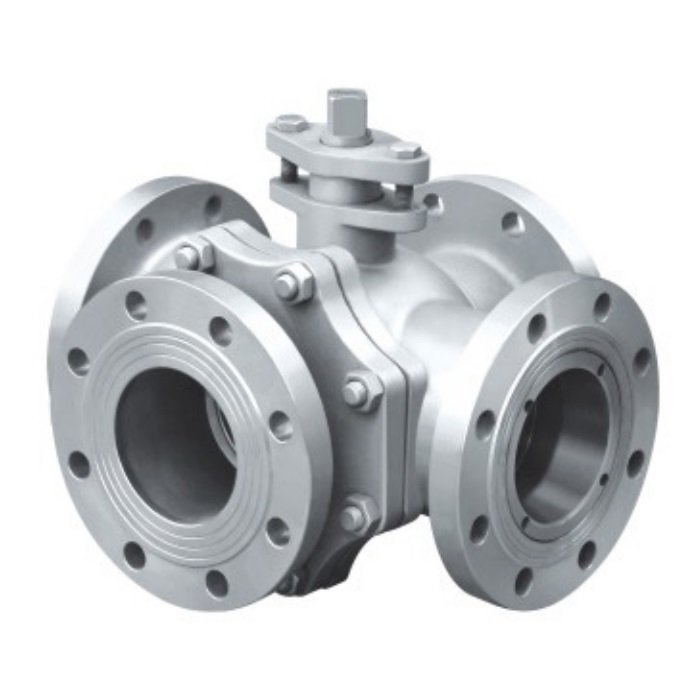
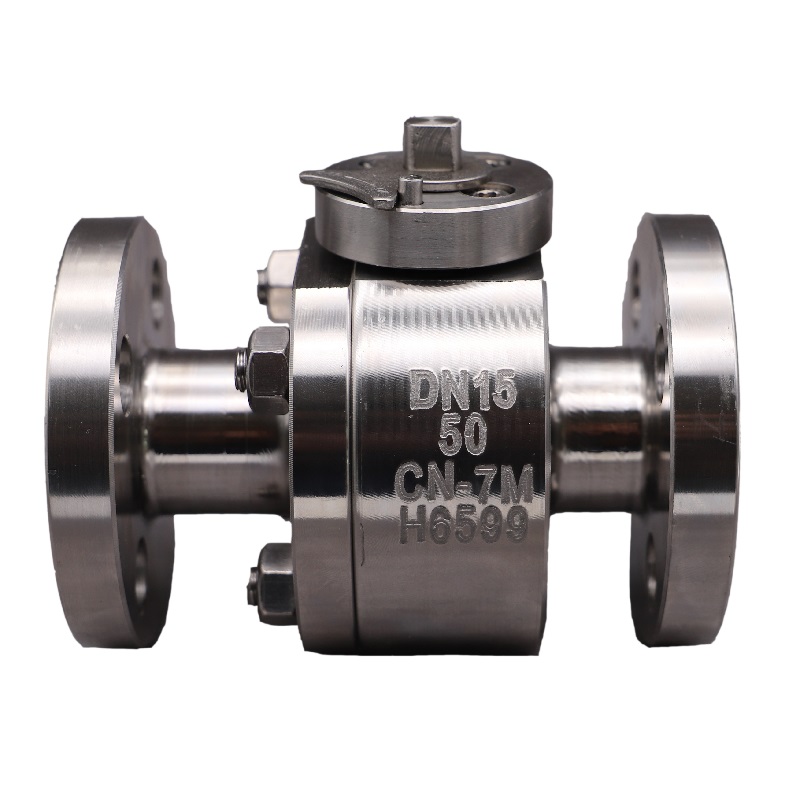
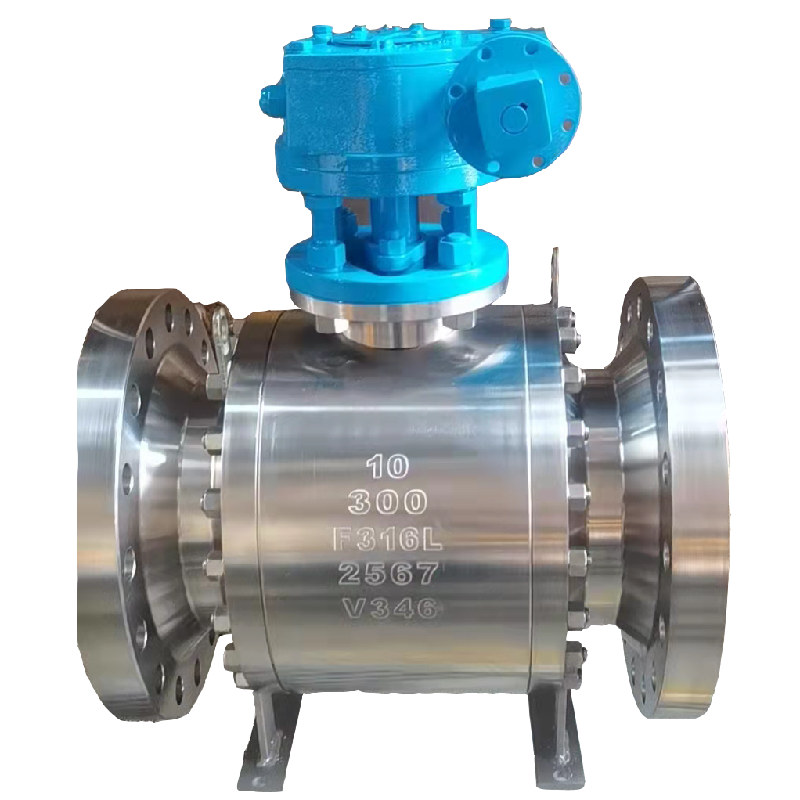
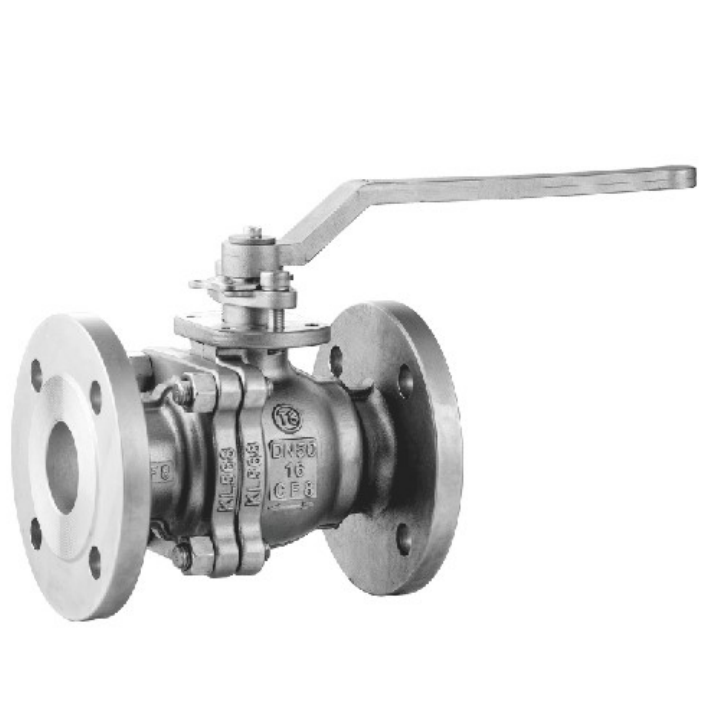
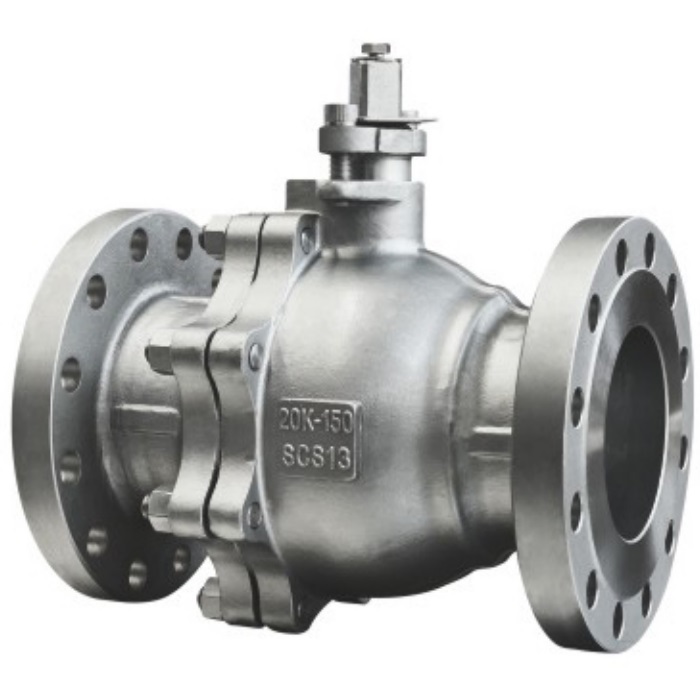
Japanese standard JIS20K stainless steel ball valve SCS13 SCS14

Japanese standard JIS20K stainless steel ball valve SCS13 SCS14

Product parameters

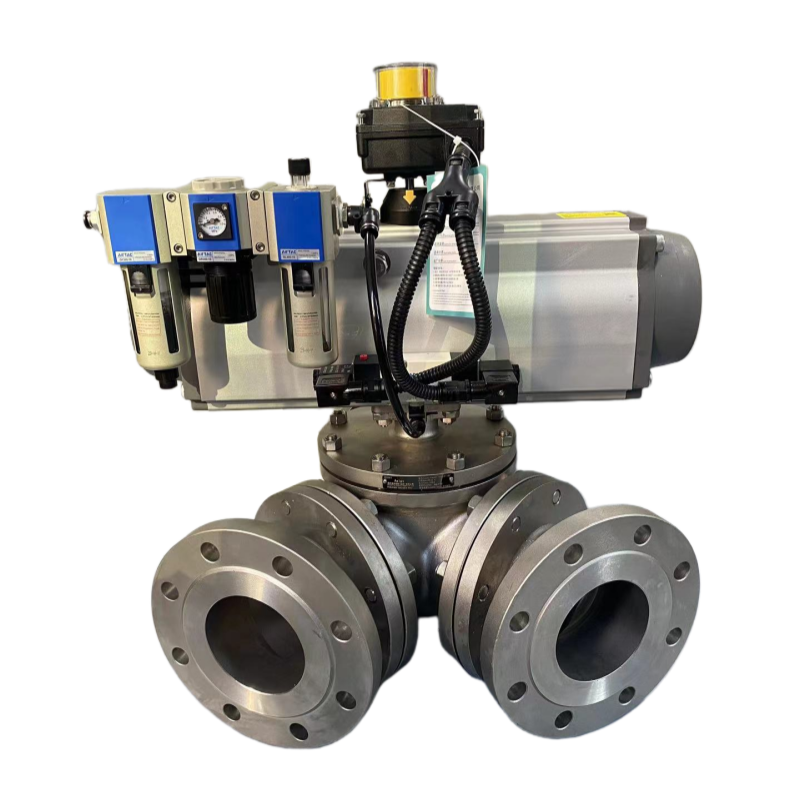
The Japanese standard JIS20K stainless steel ball valve belongs to the first level of the Japanese standard medium pressure rating. It can be operated by handle, worm gear, pneumatic, electric and other methods. This valve is assembled from two pieces and has a solid ball inside. The valve seat is equipped with an upper flange connection plate that complies with ISO 5211 standard. Suitable for pipelines containing water, steam, oil, and some corrosive media with a working temperature of 150 ℃, used to connect or disconnect the media in the pipeline.
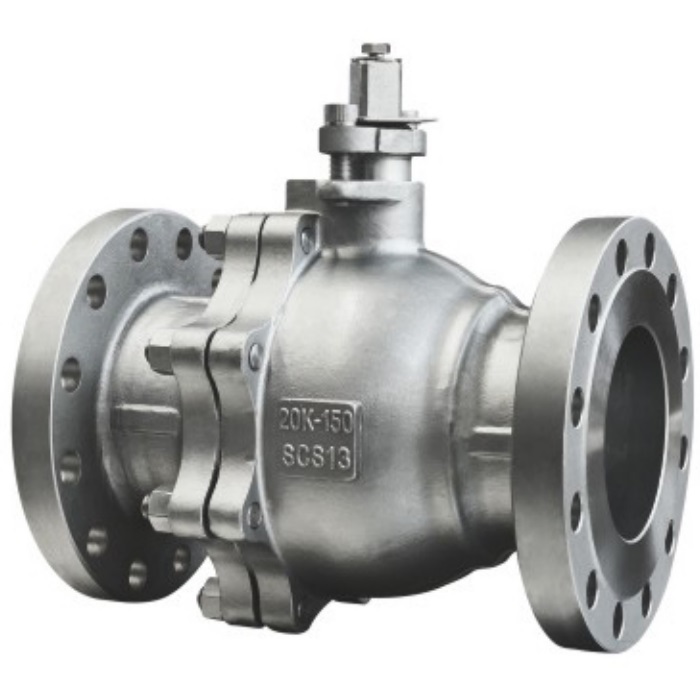
日标JIS20K不锈钢球阀SCS13 SCS14(图1)

Specification: 15A-300A Material: SCS13, SCS14, SCPH2 Operating mode: handle, worm gear, pneumatic, electric Design grade: JIS B2071. ASME B16.34; Face to face: JIS B2002; Flange end: JIS B2220; Inspection and Testing: JIS B2003
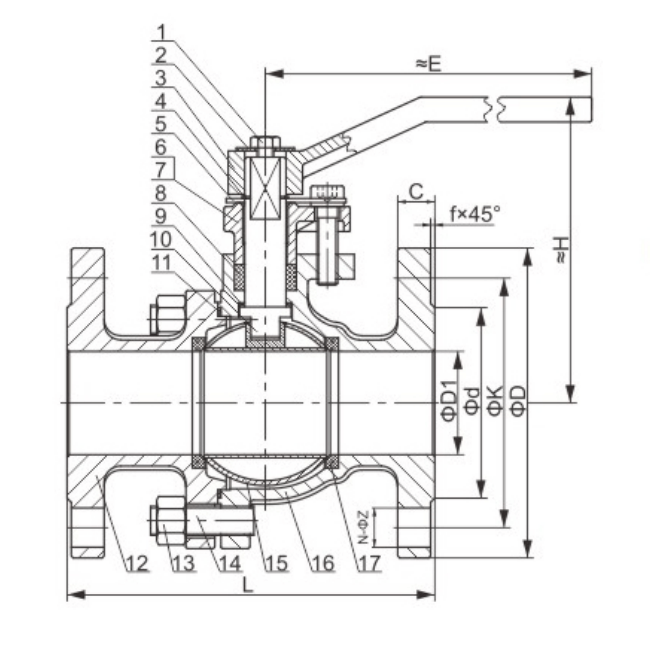
日标JIS20K不锈钢球阀SCS13 SCS14(图2)

NPSD1dKDCfN-OZLHE15A155170951414-151407912020A2056751001614-151528212025A2567901251614-1916510915032A32761001351824-1917 811315040A38811051401824-1919014323050A50961201551828-1921615125565A65161401752028-1924117628080A7813212002228-23283209350A98160185225228-23305228350125A1251952252702628-25381316630150A15023026030528212-25403353830200A20027530535030212-25502Ře 蜗e 蜗e

Tekron & Trekre

Ball valve

01 How to choose a ball valve manufacturer?
The manufacturing standards, material traceability, pressure and sealing test scope, quality documents, project applicability and after-sales response should all be verified. During the quotation process, the medium, pressure, temperature, diameter, connection, material, driving method and acceptance criteria should be provided, and the supplier should be requested to confirm the deviations in writing.
02 How should PTFE valve seats and metal valve seats be selected?
PTFE and other soft valve seats have lower friction, and are usually used in conditions where better cutting performance is required and the temperature, pressure difference and medium compatibility are acceptable; metal valve seats are more suitable for high-temperature, particle-containing, erosion-prone or fire-resistant applications. The final choice should be based on the temperature and pressure range of the valve seat material, medium compatibility, leakage level and operating torque, rather than simply judging by the material name.