中外合资阀门品牌-致力于各类阀门的生产及研发。
[email protected] 0510-83129123
江苏泰科流体控制阀门有限公司

专业阀门制造商

询价

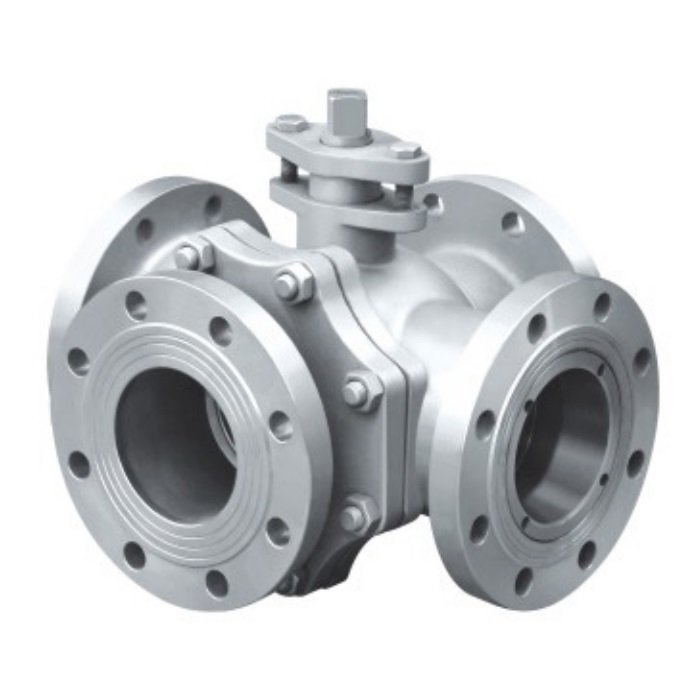
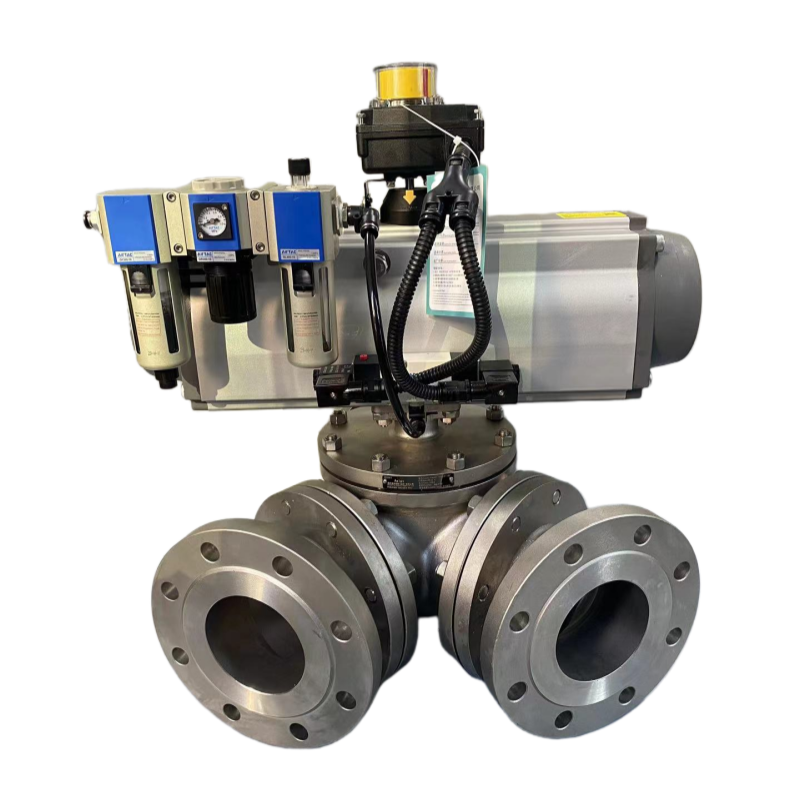
Pneumatic three-way Y-shaped switching ball valve 135 angle

Pneumatic three-way Y-shaped switching ball valve 135 angle

Product parameters

Pneumatic three-way Y-shaped switching ball valve is an industrial pipeline valve with efficient fluid distribution and switching functions, suitable for various industrial applications. The Y-shaped design of the communication interface with a 135 degree angle helps to facilitate smooth flow separation or merging of fluids, reducing flow resistance. In Taiwan and other regions, it is also known as the oxygen operated ball plug three-way splitter valve, which uses the rotation of the ball to switch the flow direction. It has excellent sealing performance and smooth switching. It can be equipped with locators, electromagnetic directional valves, limit switches, two-piece or triple piece accessories. You can choose the flow direction angle, such as 45 to the left, 90 to the right, 90 to the left, etc.

法兰连接美标Class150氧動Y型球塞式三通分歧阀

Drive method - using pneumatic actuator, driven by compressed air, with fast response speed- It can be equipped with single acting or double acting actuators, and the automatic reset function can be selected according to the needs. Sealing performance: Soft and hard seals are optional, suitable for different working conditions- High quality sealing material ensures long-term use of the valve without leakage. Multi functional flow control: - Unidirectional diversion: fluid is distributed from one inlet to two outlets- Bidirectional merging: Two inlet fluids converge into one outlet- Flexible switching: can quickly switch between different flow directions. Applicable scenarios: Industrial pipeline systems: widely used in fields such as petrochemicals, natural gas, pharmaceuticals, and food processing- High cleanliness environment: suitable for controlling special media such as oxygen, nitrogen, steam, etc- Corrosive medium: Depending on the material selection, it can be used for corrosive fluids such as acid and alkali. Technical description: 1 Material selection: - Valve body: stainless steel (304/316L), carbon steel (WCB) or other corrosion-resistant materials (customized castings required)- Spheres and seals: Depending on the medium requirements, PTFE PPL、 Metal hard seals, etc. 2. Specification range: - Diameter: usually ranging from DN15 to DN300 or larger- Pressure: Can withstand different working conditions from low pressure to high pressure (such as PN16, PN40, etc.). 3. Connection method: - Flange connection: suitable for large industrial pipelines- Threaded connection: commonly used for small pipelines. 4. Installation and maintenance: - Compact design for easy installation, can be installed horizontally or vertically- Easy maintenance, pneumatic actuators are easy to replace, and the ball and sealing components can be quickly disassembled and assembled. Main features: Strong circulation capacity and low pressure loss- Easy to operate and adaptable to automated control- Wear resistant, suitable for frequent switching of working conditions- Environmentally friendly design, no leakage, in compliance with safety standards. If more detailed technical support or selection suggestions are needed, specific operating conditions (such as medium type, working temperature, pressure range) can be provided to better match the appropriate model and configuration.

Tekron & Trekre

Ball valve

01 How to choose a ball valve manufacturer?
The manufacturing standards, material traceability, pressure and sealing test scope, quality documents, project applicability and after-sales response should all be verified. During the quotation process, the medium, pressure, temperature, diameter, connection, material, driving method and acceptance criteria should be provided, and the supplier should be requested to confirm the deviations in writing.
02 How should PTFE valve seats and metal valve seats be selected?
PTFE and other soft valve seats have lower friction, and are usually used in conditions where better cutting performance is required and the temperature, pressure difference and medium compatibility are acceptable; metal valve seats are more suitable for high-temperature, particle-containing, erosion-prone or fire-resistant applications. The final choice should be based on the temperature and pressure range of the valve seat material, medium compatibility, leakage level and operating torque, rather than simply judging by the material name.