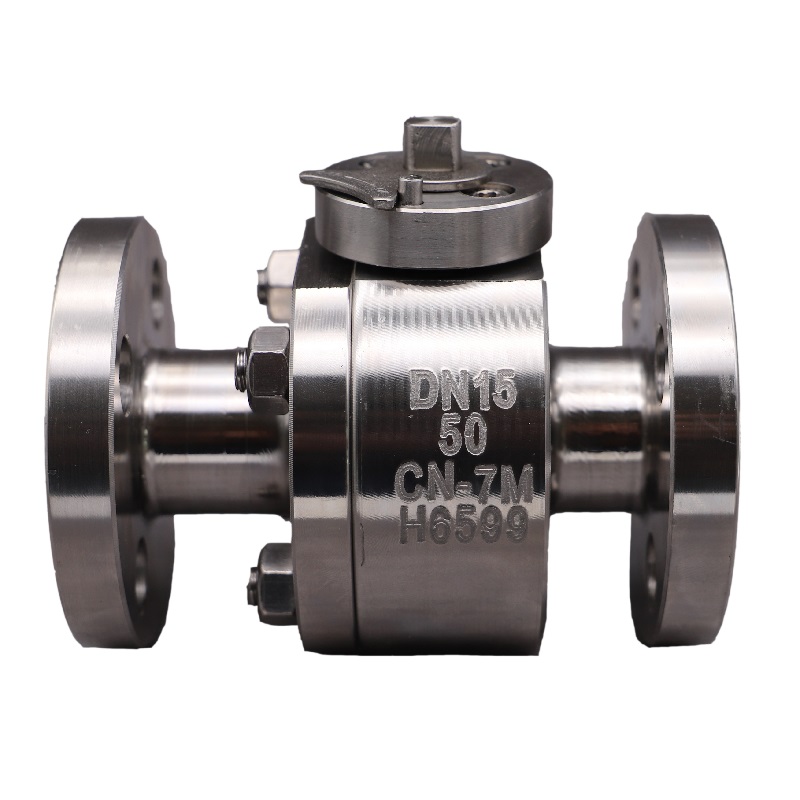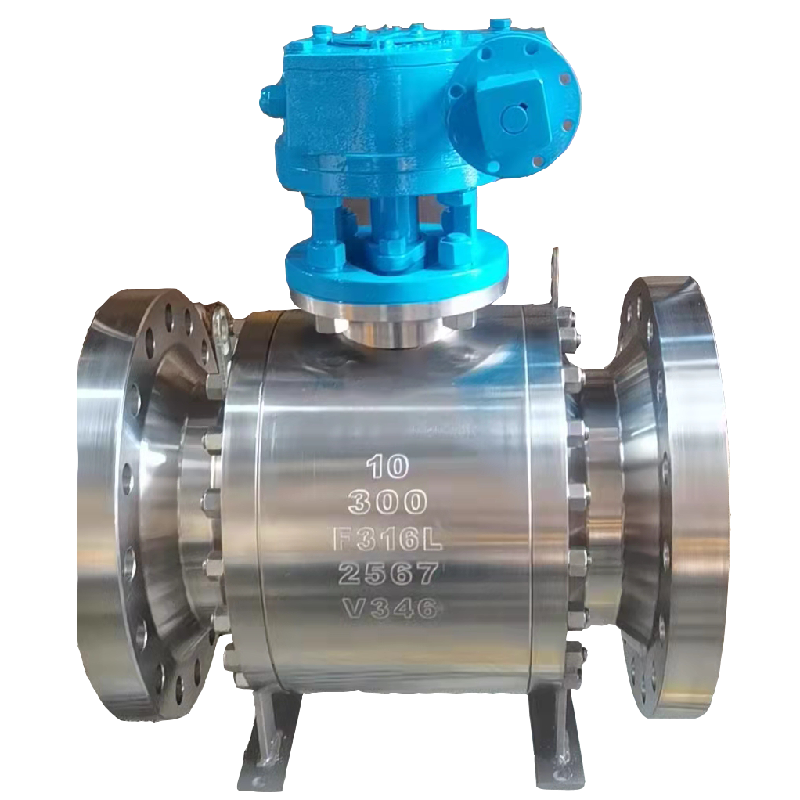
F316L forged flange ball valve is a special material and connection method ball valve commonly used in applications that require high corrosion resistance, such as the chemical, petroleum, natural gas, pharmaceutical, and food industries.
The valve body material is usually F316L, which is a stainless steel with a chemical composition including chromium, nickel, molybdenum, and low carbon content to provide excellent corrosion resistance.
F316L identifies the forged body material, not every seat or seal. Select the seat, stem seal and gasket from their own material specifications and service conditions.
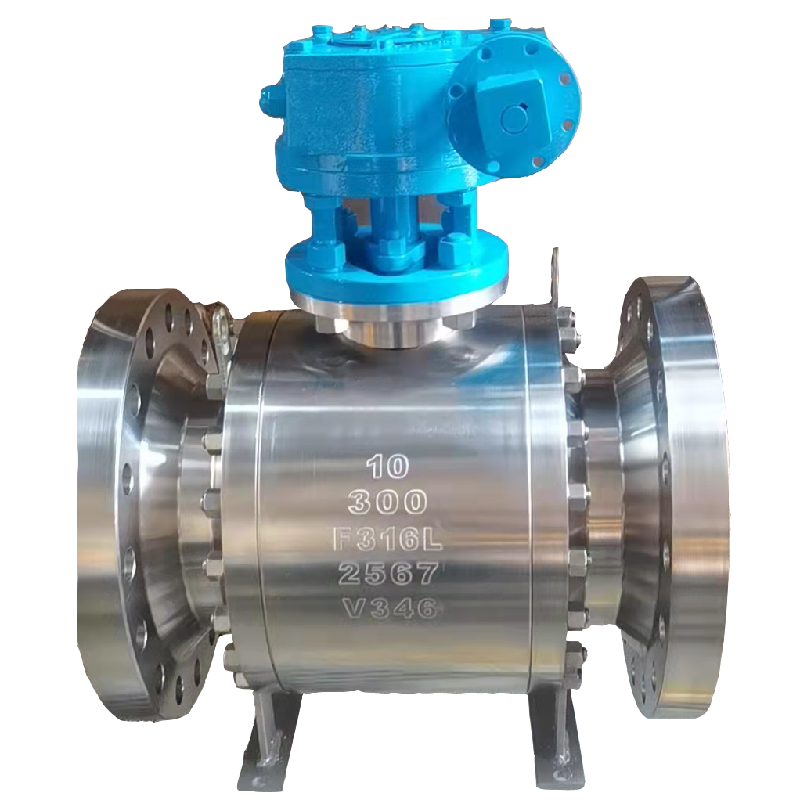
Flange connection:
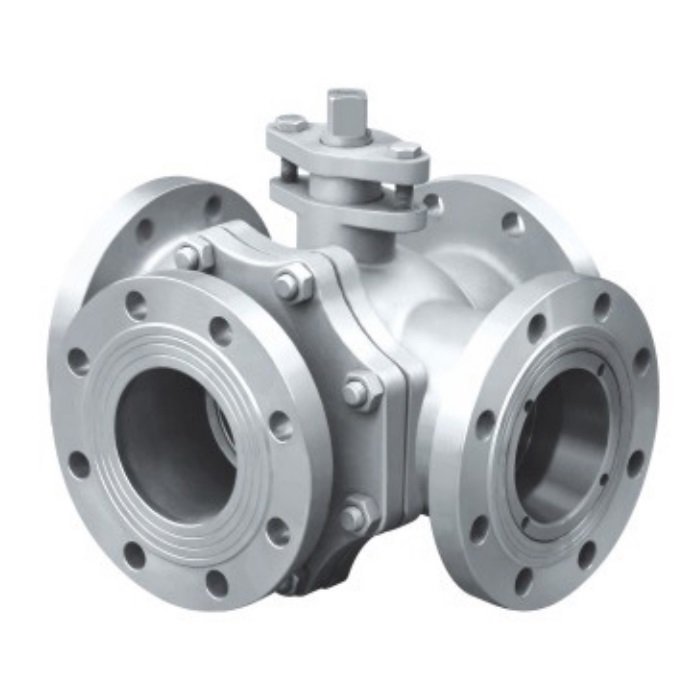
F316L forged flange ball valves are typically equipped with flange connections, which can connect the valve to the piping system using bolts and nuts.
Flange connections typically follow standards such as ANSI B16.5 to ensure tight and sealed connections with piping systems.
Valve type:
This is a ball valve that contains a sphere inside, usually made of stainless steel, with a hollow hole. By rotating the sphere, the flow of fluid can be controlled.
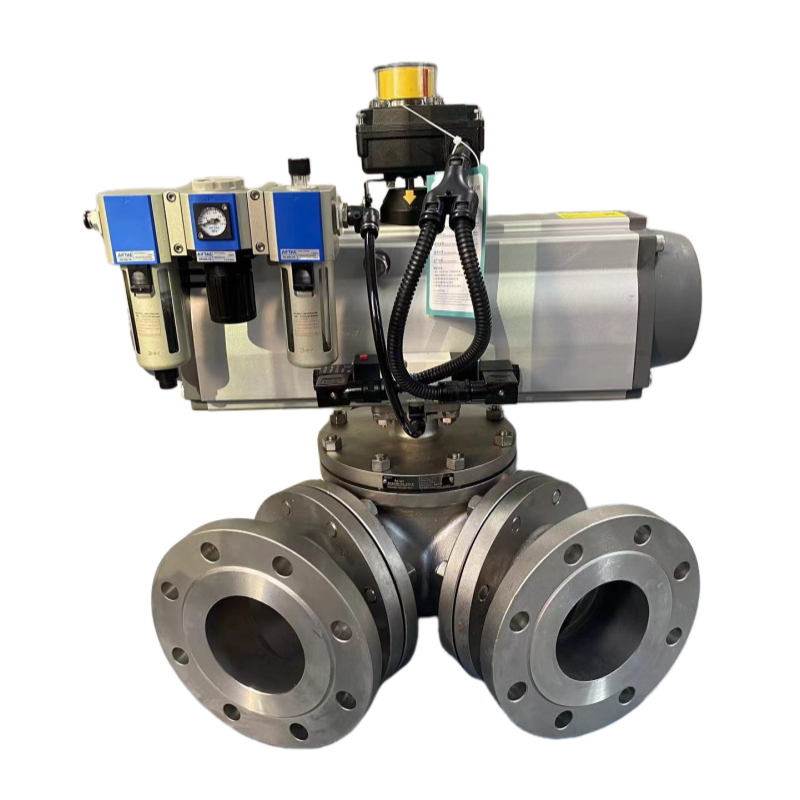
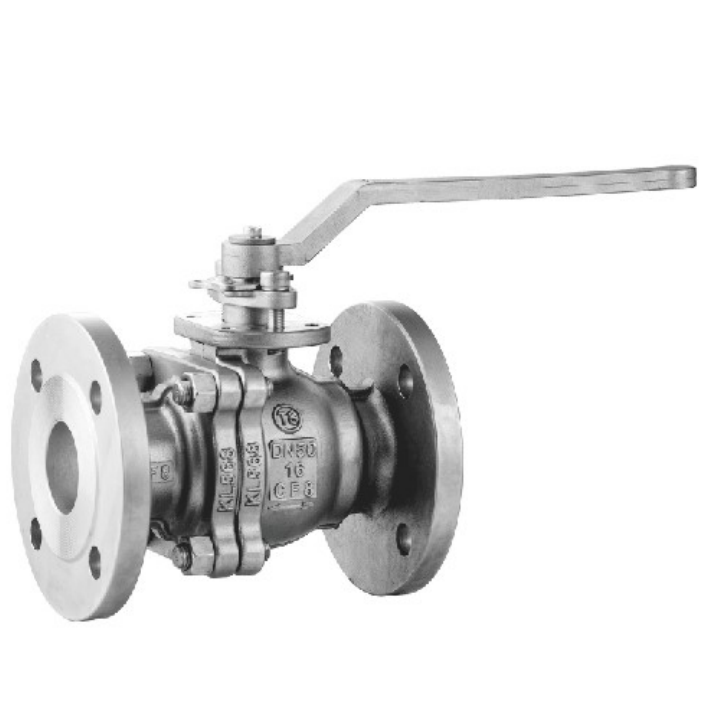
F316L forged flange ball valve can be a two-way (for switching fluids) or three-way (for diverting or mixing fluids) valve.
Operation method: F316L forged flange ball valve can be manually operated, usually opened and closed using a handle or lever. They can also operate automatically, achieving automation control through electric, pneumatic, or hydraulic actuators to meet the needs of process automation.
Temperature and pressure range: This type of ball valve is typically suitable for a certain range of temperature and pressure conditions, depending on design and manufacturing standards.
The F316L material makes it suitable for high temperature and high pressure applications.
Application areas:
F316L forged flange ball valves are widely used in fields that require high corrosion resistance and reliable fluid control, such as chemical, petroleum, natural gas, pharmaceutical, food industries, etc.
Sealing performance:
Ball valves typically have excellent sealing performance, ensuring that fluid leakage is prevented when in the closed position.
Please note that the specific F316L forged flange ball valve may vary depending on the manufacturer and specifications. Therefore, when selecting and using the valve, please refer to the technical specifications and instructions provided by the manufacturer to ensure it meets your specific application needs. In addition, relevant safety standards and operational guidelines must be followed.