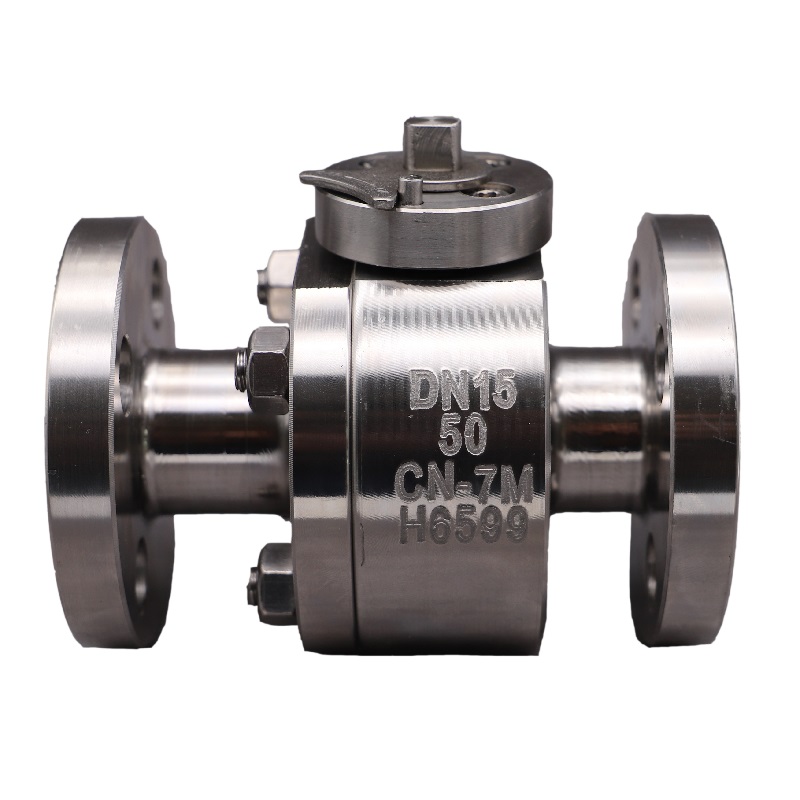
Product identity
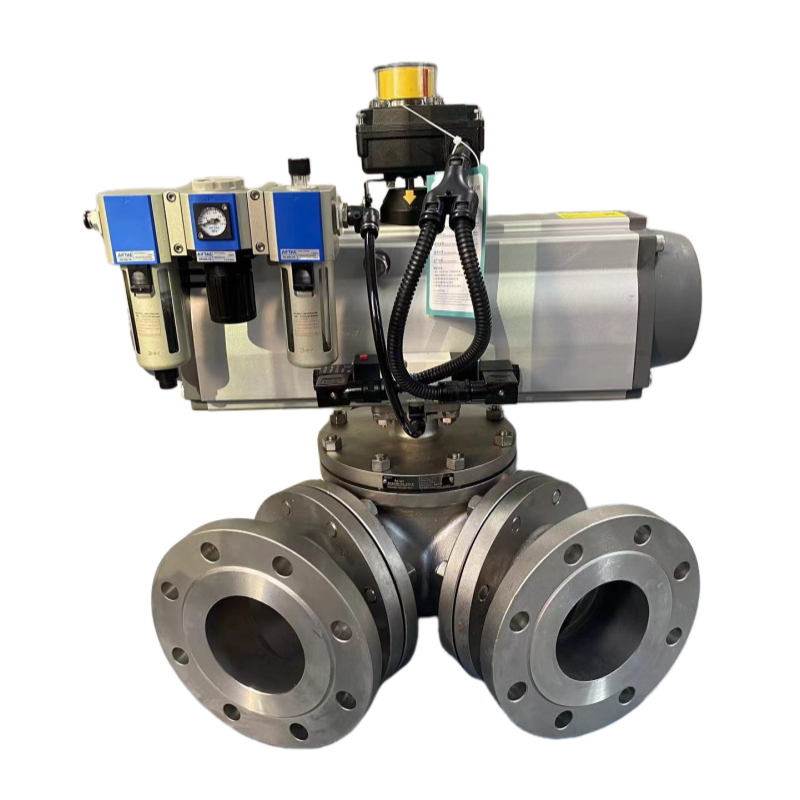
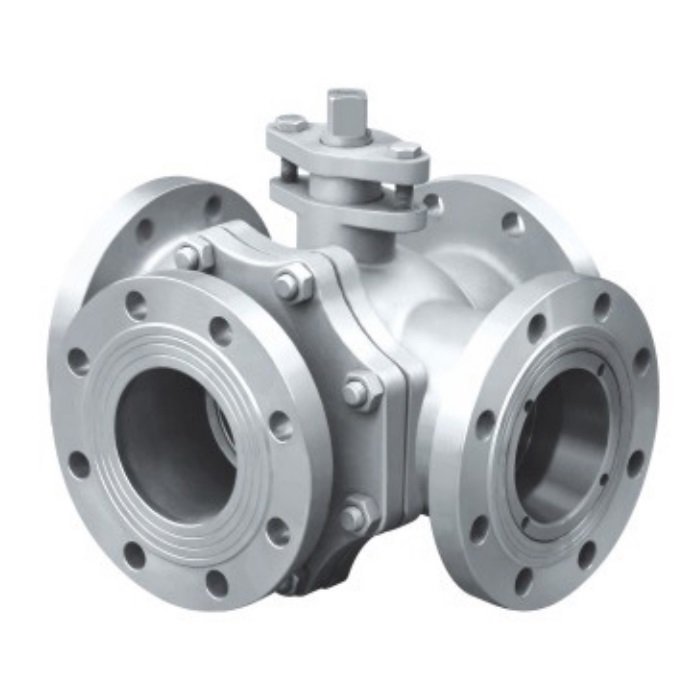
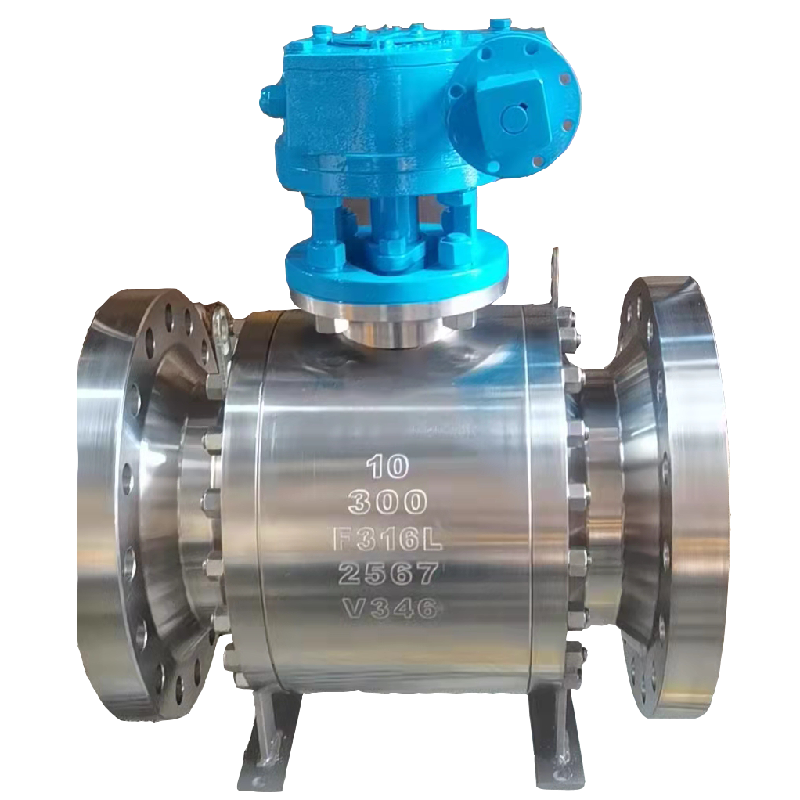
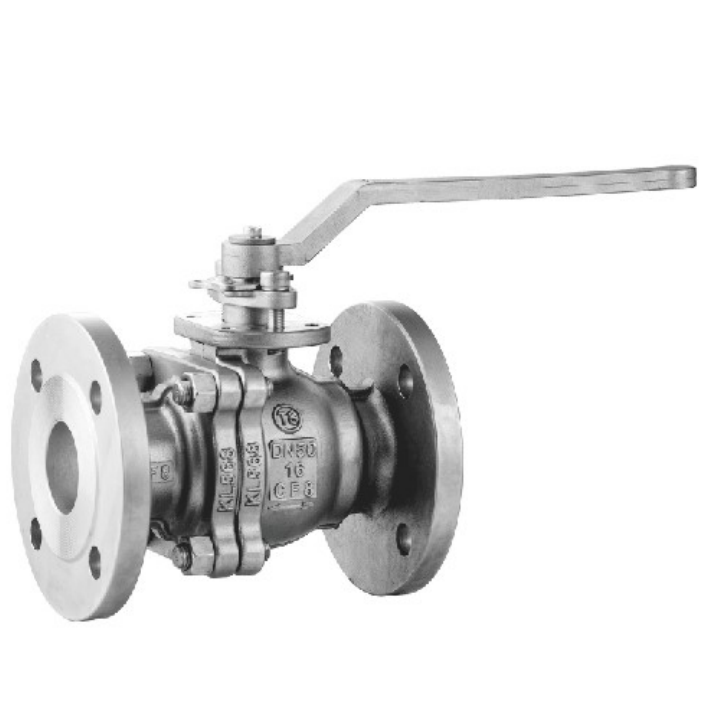
This flanged ball valve uses the CN7M cast-alloy body identity shown in the corresponding product information. The ball turns through a quarter turn for isolation. CN7M is a cast corrosion-resistant alloy designation, not a forged high-manganese/high-nitrogen stainless steel grade.
Material and service checks
Identify the body by its casting designation and material certificate. Do not substitute a wrought Alloy 20 designation or a generic 304/316 description for CN7M. Confirm the wetted trim, seat, stem and packing separately; the body alloy alone does not establish chemical compatibility or the complete valve rating.
For corrosive service, provide the fluid composition, concentration, impurities, temperature and pressure. Obtain the approved size, flange details, pressure–temperature limits and inspection requirements for the selected configuration rather than applying a generic range to every CN7M valve.
Purchasing questions
Is CN7M a forged material?CN7M is used as a casting designation. The casting certificate and applicable material specification should identify the actual supplied body.
Does the alloy name guarantee suitability for any acid?No. Compatibility depends on the actual fluid and operating conditions, together with all wetted materials.
What documents should accompany a quotation?Request the material identification, dimensional drawing, seat and seal specification, complete-valve rating and agreed inspection scope for the quoted configuration.
Material reference
- Badger Alloys: CN7M casting designation — Primary foundry information on the cast alloy and its material specifications.
This reference identifies an alloy family; it is not a certificate or rating for this Tekron valve.