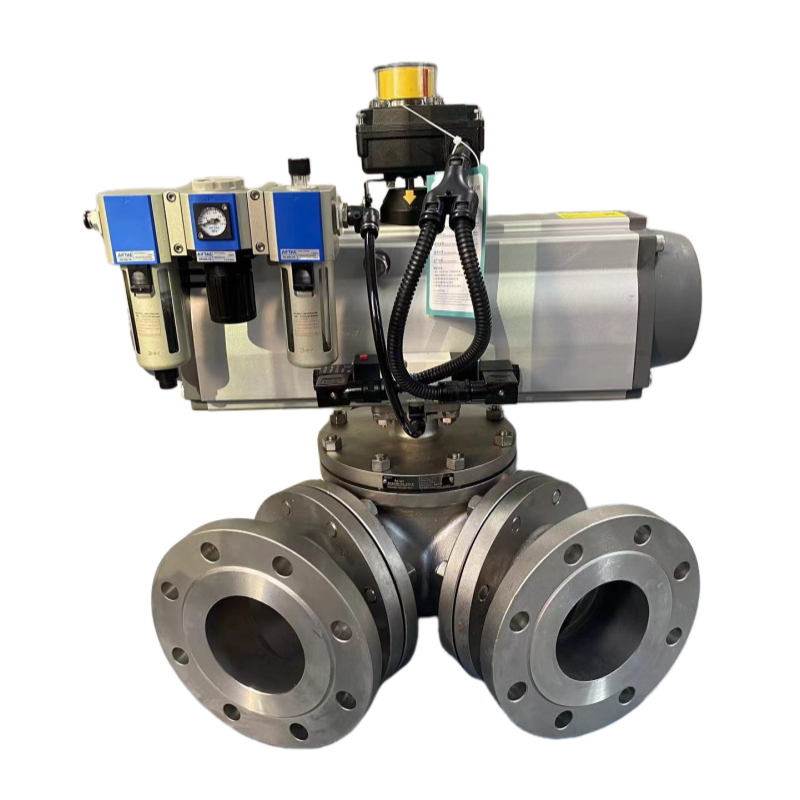
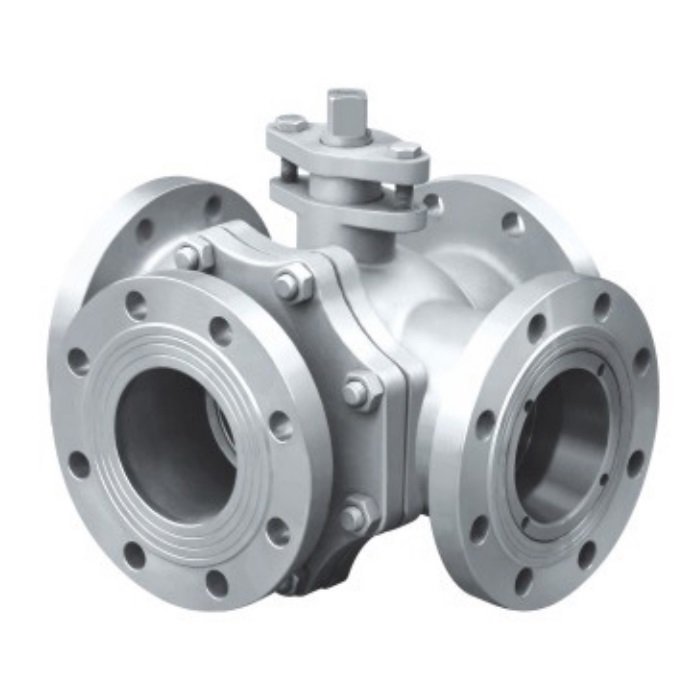
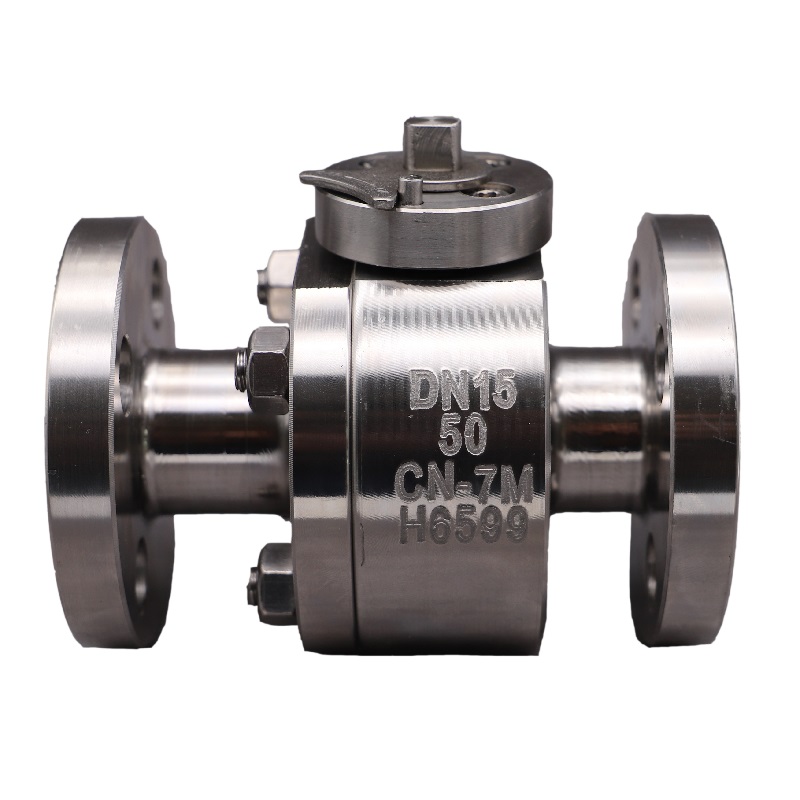
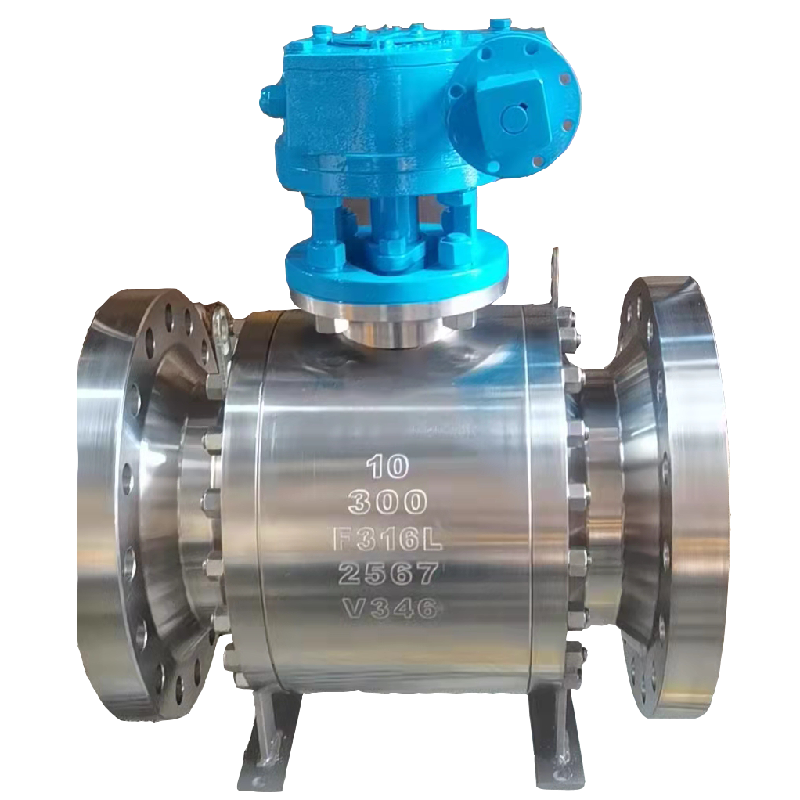
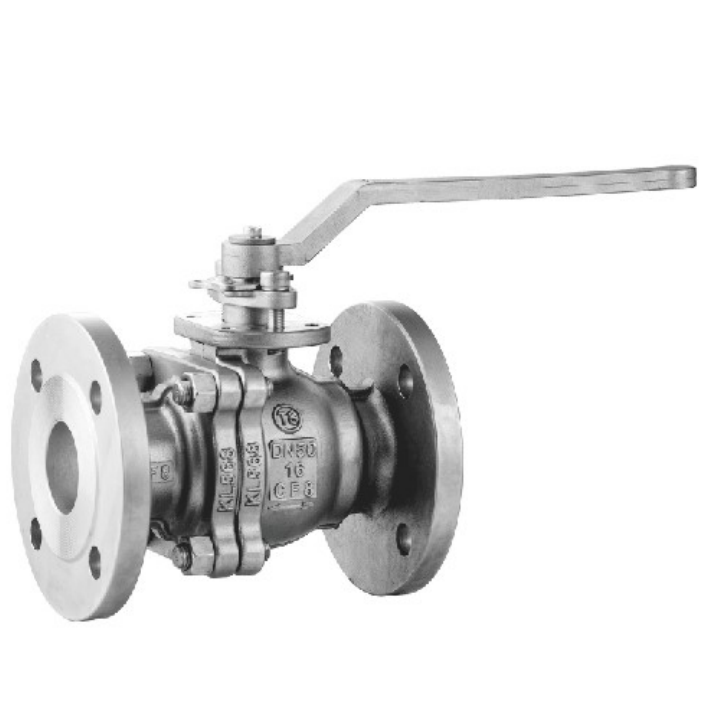
A fixed or trunnion-supported ball valve still opens and closes by rotating its ball. “Fixed” refers to how the ball is supported and located, not to a ball that remains motionless while only the stem turns.
How the supported ball operates
The stem transmits operating torque to the ball. Rotation changes the orientation of the bore to establish or interrupt the flow path. The support arrangement distinguishes this construction from a floating-ball design, where the ball can move slightly under differential pressure toward a seat. Confirm the actual supports, stem connection and travel stops against the product drawing.
Sealing is a separate design requirement
Select the seat design for the required flow directions and isolation duty. Specify test method, medium, direction, differential pressure and acceptable leakage. Materials, surface condition and assembly affect sealing; obtain the sectional drawing when a particular spring or pressure-loaded seat arrangement is required.
A105 does not define the complete valve
A105/A105M concerns carbon steel forgings for piping applications. The designation does not identify every wetted part or establish a universal corrosion, pressure or temperature capability. Check body, ball, stem, seats, packing and other seals individually against the actual fluid and design conditions. Use approved product documents, not another manufacturer’s ratings.
Isolation and throttling duties must be assessed separately
The ability to stop between open and closed positions does not by itself demonstrate suitability for continuous throttling or a control accuracy. Provide flow, upstream and downstream pressures, fluid properties and the operating duty for assessment. Confirm connections, installation length, operating torque and maintenance requirements. Installation and service must follow the supplied instructions and site isolation and depressurization procedures.
Hard-seated construction
The product title identifies hard-seated construction, but it does not establish a specific seat alloy, coating or leakage class. Confirm the actual sealing pair and permissible service conditions from the agreed material list and test documents. Hard seating does not imply unconditional zero leakage or universal resistance to corrosive fluids.
References and product limits
The manufacturer manual is used only to explain supported-ball operation. Its dimensions, ratings, seat arrangements and approvals are not assigned to this Tekron product. The ASTM link is a public historical abstract for material scope; confirm the contractual edition separately.
- Valmet 1X72EN: supported ball and shaft torque transmission
- ASTM A105/A105M: public material-scope abstract
Frequently asked questions
Does a fixed ball rotate during operation?
Yes. The ball is supported in position, but the stem transmits torque to rotate it between open and closed positions. Confirm the specific support and drive connection from the drawing.
Does fixed-ball construction guarantee zero leakage?
No. Sealing depends on the actual design and service conditions. Agree the test medium, method, direction and acceptance limit rather than deriving a leakage class from the construction name.
Does A105 mean all wetted parts have the same material?
No. Verify the materials of the body, ball, stem, seats, packing and seals separately. A105 alone is not evidence of suitability for every corrosive fluid or temperature.