Tekron & Trekre - Industrial valves
qiang@tekron.com.cn +86 510 88232303
Jiangsu Tekron

Industrial Valve Manufacturer

Enquiry

ETFE-Coated Pneumatic Branch Diverter | 30° or 45° Side Branch

ETFE-Coated Pneumatic Branch Diverter | 30° or 45° Side Branch

Product parameters

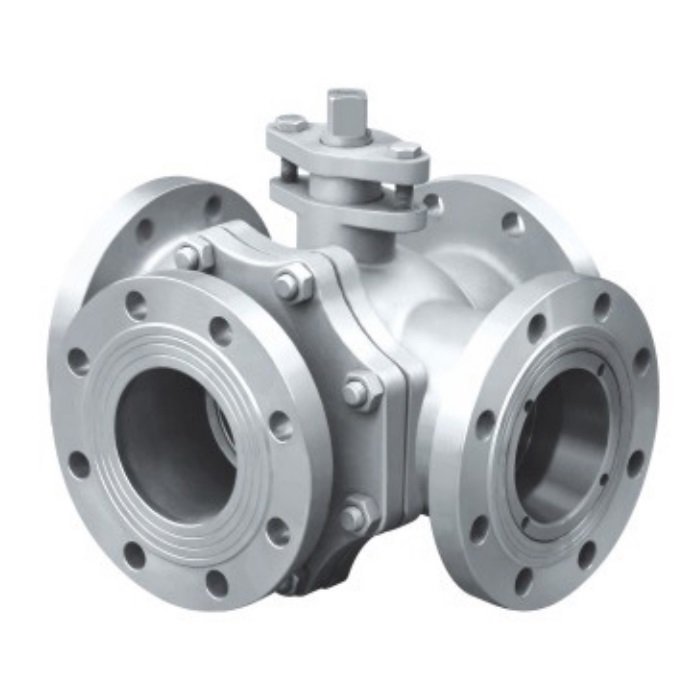
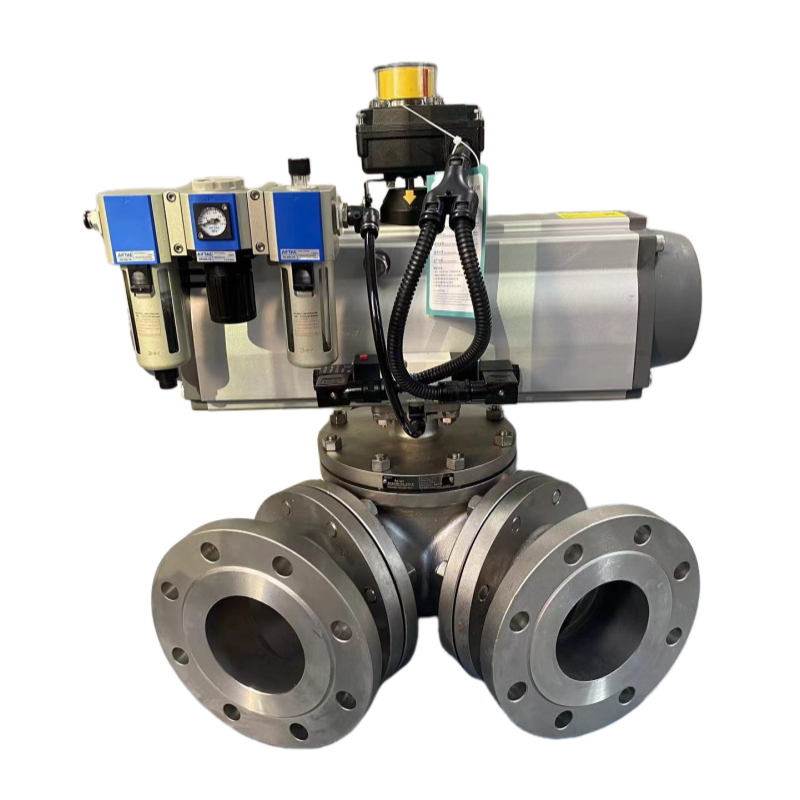
This ETFE-coated pneumatic three-way branch diverter has the manufacturer-confirmed layout described as parallel upper and lower passages, with a selectable 30° or 45° side branch. It is not the seven-layout Y-ball-valve series.

ETFE-Coated Pneumatic Branch Diverter | 30° or 45° Side Branch — Product view

The 30° or 45° option refers to the side-branch layout, not actuator travel. Confirm port orientation and the angle reference on the installation drawing; no other port angle is specified here.

Specify the branch option, material being conveyed, conveying conditions, port functions, installation space and controls. Existing lining photos and installation sketches do not replace certified dimensions or material documents.

Tekron & Trekre

Ball valve

01 How to choose a ball valve manufacturer?
The manufacturing standards, material traceability, pressure and sealing test scope, quality documents, project applicability and after-sales response should all be verified. During the quotation process, the medium, pressure, temperature, diameter, connection, material, driving method and acceptance criteria should be provided, and the supplier should be requested to confirm the deviations in writing.
02 How should PTFE valve seats and metal valve seats be selected?
PTFE and other soft valve seats have lower friction, and are usually used in conditions where better cutting performance is required and the temperature, pressure difference and medium compatibility are acceptable; metal valve seats are more suitable for high-temperature, particle-containing, erosion-prone or fire-resistant applications. The final choice should be based on the temperature and pressure range of the valve seat material, medium compatibility, leakage level and operating torque, rather than simply judging by the material name.

Discuss your valve configuration and quotation

Complete the details you know; leave unknown operating conditions blank. Name, email and enquiry are required. Phone is optional.

Add operating and connection requirements (optional)

Include units. PN and ASME Class are separate designations, not a fixed conversion.

Email drawings, nameplate photos or technical files with the product link. This form does not accept attachments. [email protected]